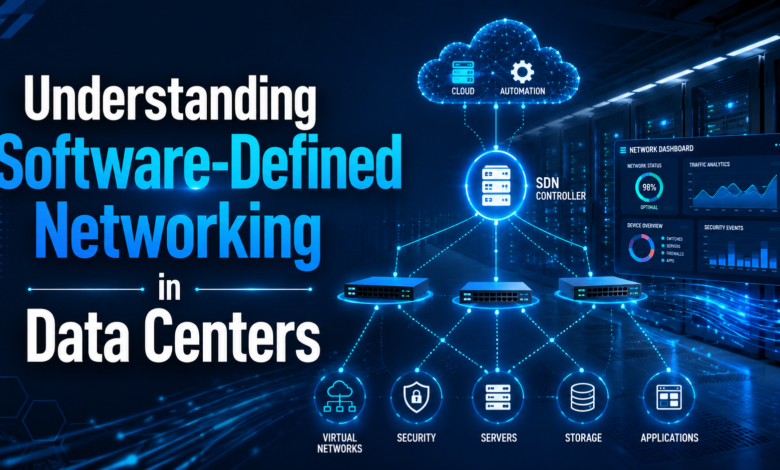
Software-defined networking is transforming how modern data centers operate by introducing centralized control, automation, and greater flexibility across enterprise infrastructures. As organizations continue adopting cloud computing, virtualization, and scalable architectures, traditional networking approaches often struggle to meet growing operational demands. Modern enterprises require networking solutions that can support dynamic workloads, faster deployments, and simplified management across distributed environments.
For networking professionals who want to pursue CCIE Data Center training, understanding software-defined networking concepts is becoming increasingly important for mastering advanced data center technologies and automation strategies. By learning SDN principles, professionals can develop stronger technical expertise, improve infrastructure management skills, and prepare for modern enterprise networking environments that increasingly depend on software-driven architectures.
What is Software Defined Networking (SDN)?
Software-Defined Networking (SDN) is a network architecture approach that separates the network control plane from the data forwarding plane. Instead of configuring each network device individually, administrators can centrally manage network policies and traffic behavior through software controllers.
In conventional networks, switches and routers independently make forwarding decisions. SDN introduces centralized intelligence, allowing organizations to automate network management, improve flexibility, and reduce operational complexity.
The primary goal of SDN is to create programmable, scalable, and agile networks capable of supporting modern workloads.
Why Data Centers Need Software-Defined Networking
Modern data centers support virtual machines, cloud applications, containers, AI workloads, and distributed environments. Traditional networking struggles to keep pace with these rapidly changing requirements.
SDN addresses these challenges by enabling:
- Faster network provisioning
- Improved automation
- Simplified management
- Better scalability
- Centralized policy control
- Enhanced security visibility
Organizations adopting hybrid cloud and multi-cloud environments increasingly depend on SDN technologies to maintain operational efficiency.
How Software Defined Networking Works
Software Defined Networking generally consists of three layers:
1. Application Layer
This layer contains business applications and network services that communicate requirements to the controller.
2. Control Layer
The controller acts as the central intelligence system that manages network behavior and policies.
3. Infrastructure Layer
Physical switches, routers, and networking devices forward traffic according to controller instructions.
This separation allows organizations to make network-wide changes from a single management platform rather than configuring devices individually.
Components of Software-Defined Networking
Several key components make SDN possible:
SDN Controller
The controller manages policies and controls network operations centrally.
APIs
Application programming interfaces allow communication between applications, controllers, and devices.
Programmable Infrastructure
Network devices execute instructions received from the controller.
Automation Frameworks
Automation tools reduce manual configurations and improve operational speed.
These components collectively create more responsive and efficient networking environments.
Traditional Networking vs. Software-Defined Networking
| Feature | Traditional Networking | Software Defined Networking |
| Management | Device-by-device configuration | Centralized management |
| Scalability | Limited flexibility | Highly scalable |
| Automation | Low automation | Extensive automation |
| Network Changes | Manual process | Software-driven |
| Visibility | Fragmented monitoring | Centralized visibility |
| Deployment Speed | Slower | Faster provisioning |
This comparison demonstrates why organizations are moving toward software-driven infrastructure models.
Advantages of Data Center Software-Defined Networking
Improved Network Automation
Automation significantly reduces repetitive tasks. Network teams can deploy policies, provision services, and make infrastructure changes more efficiently.
Faster Scalability
Data center workloads change rapidly. SDN enables networks to scale dynamically without extensive hardware modifications.
Better Resource Utilization
Organizations can optimize bandwidth, routing, and workloads using centralized intelligence.
Reduced Operational Costs
Automation and simplified management reduce labor-intensive processes and minimize configuration errors.
Enhanced Security
Centralized visibility allows organizations to implement security policies consistently across the environment.
Common SDN Technologies Used in Data Centers
Several technologies support software-defined architectures:
Cisco ACI
Cisco Application Centric Infrastructure enables policy-based automation and centralized management.
VXLAN
Virtual Extensible LAN improves network segmentation and scalability.
OpenFlow
OpenFlow enables communication between controllers and network devices.
Network Virtualization
Virtualized networking improves workload mobility and resource efficiency.
Understanding these technologies is important for engineers working with modern enterprise environments.
Challenges of Implementing Software Defined Networking
Although SDN provides numerous advantages, implementation comes with challenges.
Initial Complexity
Migration from traditional infrastructure may require redesigning existing networks.
Skills Gap
Teams need expertise in automation, programmability, and virtualization technologies.
Security Risks
Centralized control systems must be properly secured.
Vendor Compatibility
Organizations often operate multi-vendor environments, creating interoperability concerns.
Proper planning reduces these risks and improves implementation success.
SDN and Cloud Computing Integration
Cloud platforms depend heavily on automation and scalability. SDN supports cloud adoption by enabling:
- Dynamic workload movement
- Rapid provisioning
- Automated scaling
- Better multi-cloud connectivity
- Improved workload isolation
As enterprises increase cloud adoption, SDN becomes increasingly important for maintaining agility.
Why SDN Matters for Networking Professionals
Software-defined technologies are becoming core skills for network engineers. Organizations increasingly seek professionals who understand automation, programmability, and scalable architectures.
Learning SDN concepts can help professionals work with:
- Modern enterprise data centers
- Cloud networking environments
- Network automation platforms
- Large-scale infrastructure deployments
- Software-driven operations
Professionals pursuing advanced certifications often encounter SDN technologies throughout enterprise environments.
Future of Software Defined Networking in Data Centers
The future of SDN is closely connected with automation, artificial intelligence, and intent-based networking.
Emerging trends include:
- AI-driven network operations
- Autonomous infrastructure management
- Intent-based networking models
- Expanded cloud integration
- Advanced analytics and observability
These innovations will continue shaping how enterprises build and operate modern infrastructures.
Conclusion
Software Defined Networking has transformed data center operations by introducing centralized control, automation, and greater scalability. As enterprises continue adopting cloud technologies and software-driven infrastructure, SDN will remain a critical component of modern networking strategies.
For networking professionals looking to stay competitive, understanding SDN concepts is increasingly important, particularly when pursuing advanced certifications and the CCIE Data Center Course, where automation and modern infrastructure technologies play a major role in enterprise environments.