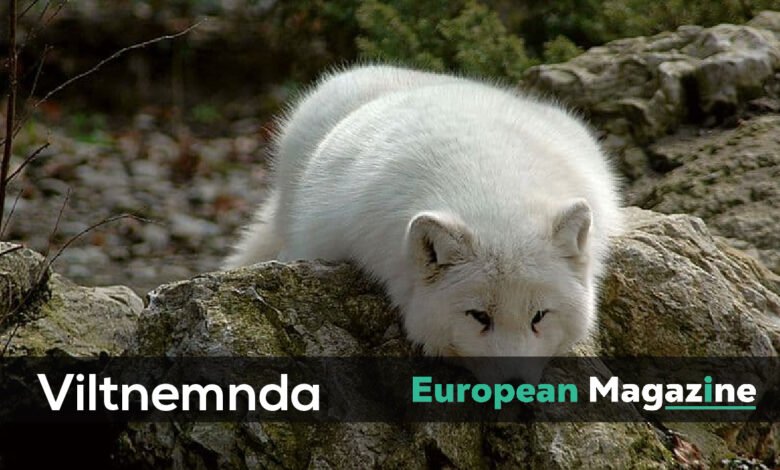
Viltnemnda is a local wildlife committee in Norway that manages animal populations, regulates hunting, and resolves human-wildlife conflicts at the municipal level. It works closely with communities and authorities to ensure sustainable wildlife use and biodiversity protection. In simple terms, Viltnemnda is Norway’s local system for responsible and balanced wildlife management.
Introduction
Viltnemnda plays a vital role in protecting Norway’s rich natural environment, where forests, mountains, and coastal landscapes are home to animals like moose, deer, and lynx. These ecosystems are not only beautiful but also essential for maintaining ecological balance. However, as human activities expand through farming, road construction, and urban development, interactions between people and wildlife are becoming more frequent.
This growing contact often leads to challenges such as road accidents involving animals, damage to crops, and threats to livestock. Without proper management, these conflicts can harm both wildlife populations and local communities. This is why structured wildlife governance is more important than ever. Viltnemnda ensures that these issues are handled in a balanced and sustainable way.
The committee focuses on key priorities such as sustainability, biodiversity protection, and public safety. It helps maintain healthy ecosystems while also protecting human interests. In this article, you will learn about the meaning of Viltnemnda, the laws that guide it, its structure, hunting regulations, the use of technology, the challenges it faces, and its future direction.
Understanding Viltnemnda is important because it shows how a country can successfully manage wildlife while allowing people and nature to coexist in harmony.
What Is Viltnemnda? Meaning, Purpose, and Role
Viltnemnda is a municipal-level wildlife management committee in Norway that ensures animals and humans can live together safely and sustainably. It exists to manage wildlife populations, regulate hunting activities, and handle conflicts between animals and people.
At its core, Viltnemnda acts as a bridge between government policies, local communities, and the natural environment. It translates national laws into local actions, making sure decisions are practical and based on real conditions in each area.
The main purpose of Viltnemnda is to promote sustainable wildlife use. This means keeping animal populations at healthy levels without damaging ecosystems. Another key role is reducing conflicts, such as crop damage or road accidents. At the same time, it works to maintain ecosystem balance by protecting habitats and biodiversity.
Through its work, Viltnemnda ensures that wildlife is not only protected but also managed in a way that benefits both nature and society.
History and Evolution of Wildlife Management in Norway
Wildlife management in Norway has a long history that began with hunting as a means of survival. In earlier times, people depended on animals for food, clothing, and tools. Over time, this relationship changed as society developed.
With industrialization in the 19th century, human activities began to impact natural habitats. Forest clearing, farming, and infrastructure development led to a decline in wildlife populations. This created the need for organized management systems.
As awareness of environmental issues grew, Norway introduced laws to protect wildlife and regulate hunting. This shift marked the transition from simple resource use to conservation-focused management.
Viltnemnda was established as part of this effort to bring wildlife management closer to local communities. Over the years, its role has evolved from basic regulation to a more scientific and technology-driven approach. Today, it uses modern tools and data to make informed decisions, reflecting a balance between tradition and innovation.
Legal Framework Behind Viltnemnda
Viltnemnda operates under a strong legal system that ensures wildlife management is both effective and sustainable.
Nature Diversity Act
This law focuses on protecting biodiversity, ecosystems, and natural landscapes. It ensures that wildlife is managed in a way that preserves ecological balance and supports long-term sustainability.
Wildlife Act (Viltloven)
This law deals specifically with hunting and wildlife management. It sets rules for hunting seasons, quotas, and ethical practices. It also provides guidelines for handling wildlife damage and conflicts.
Municipal authorities are responsible for implementing these laws at the local level through Viltnemnda. At the same time, national agencies provide guidance and ensure consistency across the country.
These laws guide every decision made by Viltnemnda, ensuring that actions are based on science, fairness, and sustainability.
Structure and Composition of Viltnemnda
Viltnemnda is made up of individuals with different backgrounds and expertise. Members often include wildlife experts, hunters, landowners, and local government officials. This diversity ensures that decisions are balanced and practical.
Members are usually selected by municipal authorities based on their knowledge and experience. A chairperson leads the committee, and meetings are held regularly to discuss wildlife issues and make decisions.
The inclusion of community representatives is important because it brings local knowledge into the decision-making process. Farmers, hunters, and residents provide valuable insights that help shape effective policies.
The committee follows a collaborative decision-making style, where different perspectives are considered before reaching conclusions.
Key Responsibilities of Viltnemnda
Viltnemnda has several important responsibilities that support wildlife management in Norway. It controls wildlife populations by monitoring species and ensuring numbers remain balanced within ecosystems. It manages hunting quotas to prevent overhunting and maintain sustainability.
The committee also protects habitats by promoting conservation efforts and supporting ecosystem health. It handles wildlife damage by assessing losses and providing solutions to affected landowners. Roadkill and injured animals are managed carefully to reduce suffering and improve safety.
Public awareness is another key responsibility. Viltnemnda educates communities about wildlife conservation and ethical practices. It also implements policies that align with national laws, ensuring consistent and effective management.
How Viltnemnda Manages Human-Wildlife Conflict
Human-wildlife conflict is a major challenge in Norway. It is often caused by urban expansion, farming activities, and road development. These factors bring animals closer to human settlements.
Common conflicts include crop damage, livestock attacks, and road accidents involving animals. Viltnemnda addresses these issues through practical solutions. It supports the creation of wildlife corridors to allow safe movement of animals. Fencing is used to protect crops and livestock.
Controlled hunting helps manage population sizes and reduce pressure on certain areas. Compensation systems are in place to support landowners who suffer losses. Importantly, all actions are taken with a humane approach, ensuring animals are treated ethically.
Hunting Regulations and Sustainable Wildlife Practices
Hunting is an important part of wildlife management in Norway. It helps control animal populations and prevents overgrowth that could harm ecosystems.
Viltnemnda regulates hunting by setting quotas, defining hunting seasons, and controlling which species can be hunted. These decisions are based on scientific data and population studies.
Ethical hunting practices are strongly encouraged. Hunters are expected to follow rules that ensure animals are treated with respect and minimal suffering. This balance between conservation and hunting ensures that wildlife populations remain healthy and sustainable.
Wildlife Damage and Compensation System
Wildlife can cause damage to crops, fences, and livestock, which can affect farmers and landowners. Viltnemnda provides a system to address these issues.
Landowners can submit claims detailing the damage. The committee assesses the situation and provides financial compensation where appropriate. This process helps reduce financial stress and encourages cooperation with wildlife management efforts.
Viltnemnda also offers preventive support, such as advice on fencing and crop protection. This reduces future damage and improves long-term outcomes.
Handling Roadkill and Injured Wildlife
Road accidents involving animals are common in some parts of Norway. Viltnemnda has systems in place to handle these situations quickly and safely.
When an accident occurs, emergency response teams assess the animal’s condition. Veterinarians may provide treatment if the animal can be saved. In cases where recovery is not possible, humane euthanasia is carried out.
Data from these incidents is collected to understand patterns and improve safety measures. This includes identifying high-risk areas and implementing solutions like warning signs or barriers.
Role of Technology in Viltnemnda Wildlife Management
Technology plays an important role in modern wildlife management. GPS tracking is used to monitor animal movement and understand behavior patterns. This helps identify areas where conflicts are likely to occur.
Drones are used to survey large and remote areas, providing valuable data on habitats and populations. Camera traps capture images of wildlife, helping track species and study behavior.
Data analytics allows Viltnemnda to make accurate decisions based on real information. These tools improve efficiency, enable faster responses, and support better planning.
Community Engagement and Public Participation
Local involvement is essential for successful wildlife management. Viltnemnda encourages public participation through consultations, workshops, and educational programs.
Community-based monitoring programs allow residents to report wildlife sightings and assist in conservation efforts. This builds trust and creates a sense of shared responsibility.
Farmers, hunters, and residents all play a role in supporting wildlife management. Their involvement ensures that policies are practical and widely accepted.
Collaboration with Other Authorities and Organizations
Viltnemnda works closely with municipal governments to implement local policies. Regional authorities, such as Statsforvalteren, provide oversight and guidance.
National agencies set broader policies and ensure consistency across the country. Research institutions contribute scientific data and analysis, helping improve decision-making.
Non-governmental organizations and conservation groups also support wildlife protection efforts. This collaboration ensures a well-rounded and effective approach to management.
Major Challenges Faced by Viltnemnda
Viltnemnda faces several challenges, including climate change, which affects animal behavior and habitats. Habitat loss due to urban expansion also creates difficulties.
Public conflicts can arise when interests differ between conservationists, farmers, and hunters. Limited funding can restrict resources and slow down projects.
Misinformation can affect public understanding of wildlife management. Balancing conservation with hunting needs remains an ongoing challenge.
Success Stories of Viltnemnda in Norway
Viltnemnda has achieved many positive results. Moose population control has helped restore ecosystem balance. Measures to reduce road accidents have improved public safety.
Habitat restoration projects have supported biodiversity. Bird conservation efforts have helped protect endangered species. Community awareness programs have increased public involvement.
These successes show how effective local wildlife management can be.
Viltnemnda Compared to Wildlife Systems in Other Countries
Norway’s system is unique because it focuses on local decision-making. Unlike centralized systems in other countries, Viltnemnda allows flexibility and adaptation to local conditions.
This approach benefits from local knowledge and community involvement. It also provides faster responses to issues. Globally, this model is seen as an effective example of sustainable wildlife management.
Importance of Viltnemnda for Local Communities
Viltnemnda protects farmers and landowners by managing wildlife damage. It reduces risks from animal-related accidents and supports traditional hunting practices.
Encouraging sustainability helps maintain natural resources for future generations. It also builds trust within communities by involving them in decision-making.
The Future of Viltnemnda – Trends and Opportunities
The future of Viltnemnda includes the use of artificial intelligence and advanced data analysis. Smart monitoring systems will improve wildlife tracking and decision-making.
Climate adaptation strategies will help address environmental changes. Global cooperation will allow sharing of knowledge and best practices.
Sustainable ecosystem planning will remain a priority, ensuring long-term success.
Why Viltnemnda Is Essential for Biodiversity and Sustainability
Viltnemnda plays a key role in maintaining ecosystem balance. It protects species and supports biodiversity. Managing interactions between humans and wildlife helps ensure coexistence.
Its work contributes to long-term environmental sustainability, making it essential for Norway’s future.
Conclusion
Viltnemnda stands as a powerful example of how local action can support national and global environmental goals. Through its work, it manages wildlife populations, regulates hunting, and resolves conflicts in a way that benefits both people and nature.
Its importance lies in its ability to balance human needs with ecological responsibility. By using science, community involvement, and modern technology, Viltnemnda ensures that wildlife management is effective and sustainable.
As environmental challenges continue to grow, the role of Viltnemnda will become even more critical. Its approach offers a model for other countries seeking to achieve harmony between humans and wildlife.
Looking ahead, Viltnemnda will continue to evolve, guiding Norway toward a future where biodiversity is protected, ecosystems remain strong, and communities thrive alongside nature.
Frequently Asked Questions (FAQs)
1. What is Viltnemnda in Norway?
Viltnemnda is a local wildlife management committee in Norway. It works at the municipal level to manage animal populations, regulate hunting, and solve conflicts between humans and wildlife. Its main goal is to protect nature while keeping people safe.
2. What does Viltnemnda do?
Viltnemnda controls wildlife populations, sets hunting rules, handles wildlife damage, and helps injured animals. It also educates the public and ensures that wildlife is managed in a safe, sustainable, and responsible way.
3. How does Viltnemnda manage human-wildlife conflict?
Viltnemnda reduces conflicts by using solutions like wildlife corridors, fencing, and controlled hunting. It also provides compensation for damage and works with communities to prevent problems between people and animals.
4. Which laws control Viltnemnda in Norway?
Viltnemnda works under the Nature Diversity Act and the Wildlife Act (Viltloven). These laws guide wildlife protection, hunting rules, and ensure that all decisions are made in a sustainable and ethical way.
5. How can people participate in Viltnemnda activities?
People can participate by attending public meetings, reporting wildlife issues, and joining local conservation programs. Farmers, hunters, and residents can also share their input to help improve wildlife management decisions.
Read More:
Jipinfeiche Explained: Powerful Guide to Boost Productivity Fast