For a restaurant, branding is usually associated with the obvious things: the logo, menu, interior design, uniforms and social media. Packaging is sometimes treated as an afterthought.
That can be a mistake.
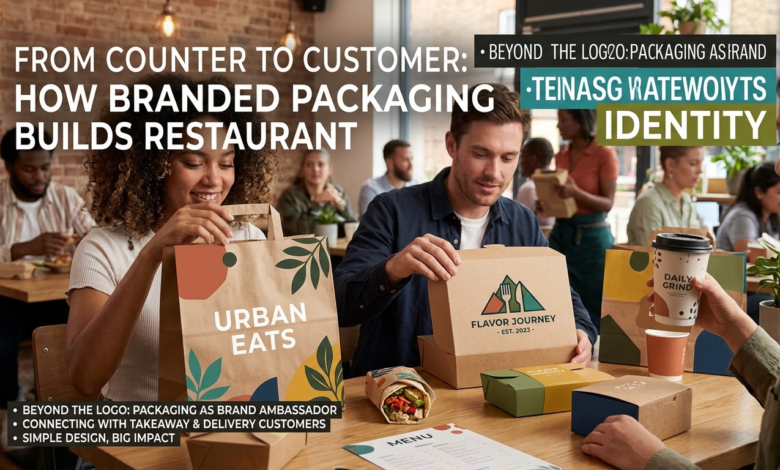
For takeaway and delivery businesses, the box, cup or paper bag may be one of the few physical parts of the brand that customers take home with them. It arrives at the office, sits on a kitchen table or travels down the street. A plain package does the job. A well-designed one can do a little more.
That does not mean every restaurant needs complicated packaging. In many cases, a consistent logo, colour scheme and simple design are enough to make a noticeable difference.
Packaging Is Part of the Customer Experience
url: custom-packaging-affects-customer-experience-mbpak
alt: Custom Packaging Affects Customer Experience MBPAK
Think about the moment a takeaway order arrives.
Before the customer tastes the food, they see the bag. They open the box. They pick up the cup. Those small interactions shape their first impression of the business.
Poor packaging can create the opposite effect. A weak box that collapses, a lid that does not fit properly or a greasy paper bag can make even good food feel less reliable.
Branding works best when it sits alongside practical design. Packaging should look right, but it also needs to protect the food and make the order easy to handle.
A burger box, for example, may need ventilation to reduce sogginess. A coffee cup needs to feel secure in the hand. A delivery bag needs enough strength for the actual weight of the order.
The brand design should fit around those requirements rather than ignore them.
Start With Consistency
Restaurants do not necessarily need a different design for every package.
In fact, too much variation can make a brand harder to recognise. Using the same logo, colours and general visual style across boxes, cups, bags and food containers creates a stronger connection between individual products.
Imagine ordering from the same café several times. The first time, you may barely notice the packaging. After seeing the same colours and logo on every order, the design becomes familiar.
That familiarity is valuable, particularly for smaller food businesses competing with established chains.
Consistency also makes it easier to expand. A restaurant that adds a new takeaway menu, launches delivery or opens another location can carry the same visual identity into the new format.
Different Packaging Serves Different Jobs
url: different-custom-packaging-serves-different-jobs
alt: Different Custom Packaging Serves Different Jobs
Custom packaging is not limited to printed takeaway boxes.
Coffee shops can use cups, sleeves and lids as part of their visual identity. Restaurants may focus on food boxes, bowls and paper bags. Bakeries can use branded pastry bags and dessert boxes. Food businesses selling products through shops may need packaging that works on a shelf rather than during delivery.
Each format creates a different opportunity.
A takeaway bag can be seen by other people while a customer is carrying it. A branded coffee cup may sit on a desk for several hours. A box may appear in a customer’s photograph before anyone sees the food inside.
This is why packaging should be designed around how customers actually interact with it.
Good Design Does Not Have to Be Loud
There is a tendency to think branded packaging needs bright colours, oversized logos or complicated graphics.
Not necessarily.
A simple design can look more professional and often works better across different packaging formats. The logo might be small but clearly placed. A single colour can become strongly associated with the business. Even a short message printed on the inside of a box can make the experience feel more personal.
The goal is recognition, not visual noise.
For smaller restaurants with limited budgets, a simple print can also be easier to manage than a highly customised package with multiple finishes and complicated artwork.
Packaging Can Extend a Brand Beyond the Restaurant
One useful feature of takeaway packaging is that it can travel.
A customer carrying a branded bag is effectively displaying the restaurant’s identity in public. A coffee cup placed on an office desk can be seen by colleagues. A well-presented delivery order may appear in a social media photo.
This kind of exposure is not a guaranteed marketing result, but it is one reason packaging has value beyond food protection.
The opportunity becomes more interesting when the packaging gives people something worth photographing or remembering. A clever message, seasonal design or distinctive visual detail can turn an ordinary takeaway order into something slightly more shareable.
Sustainability Is Becoming Part of Brand Identity
url: sustainability-custom-packaging-mbpak
alt: Sustainability Custom Packaging MBPAK
Material choice is another part of the message.
Restaurants increasingly need to think about paper, recycled materials, compostable options and plastic reduction when developing packaging. But simply using an “eco” material does not automatically make a package a better choice.
The material still needs to suit the food, the delivery conditions and the restaurant’s budget.
A practical approach is to look at performance as well as environmental claims. Does the box stay intact? Does the bag carry the order safely? Is the material suitable for the intended food application? Can the business source it consistently?
A sustainable package that works well is more useful than one that looks good in a marketing message but causes problems during service.
When Should a Restaurant Invest in Custom Packaging?
Custom packaging usually makes more sense when a restaurant has a stable menu, regular takeaway volume and a clear visual identity.
For a new business still testing its concept, standard packaging with labels or stickers may be the safer starting point. Once demand becomes more predictable, printed packaging can become easier to justify.
The key is not to treat packaging as a cosmetic expense.
It should support the way the business operates, protect the food properly and reinforce the same identity customers see everywhere else.
A restaurant does not need extraordinary packaging to be memorable. Often, reliable packaging with a clear and recognisable design is enough.
When every box, bag or cup feels like it belongs to the same brand, packaging stops being just something used to carry food and becomes part of the business itself.