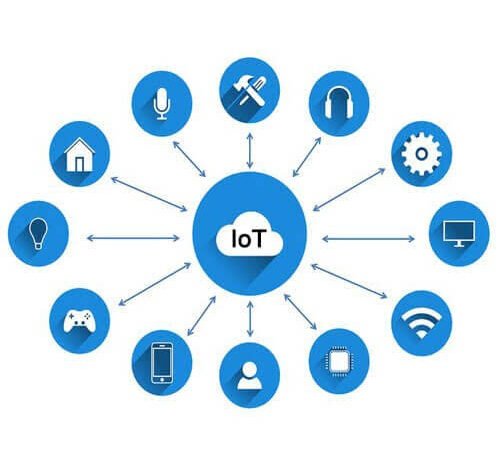
The Internet of Things (IoT) has grown from being a specialised idea into a real-world tool that affects how companies, governments, and communities work. By linking physical items to the internet, IoT lets companies collect data, keep track of situations, and make better choices.
As industries rely more on data, connected technologies are helping companies work smarter, cut down on waste, and handle changes in their operations better.
With the widespread use of the Internet of Things in various sectors, there is a growing number of companies specialising in the creation of new products to help these industries become more innovative. Several firms, such as Renkeer, have created a variety of IoT-based environmental sensors that facilitate real-time data collection, cloud integration, and remote management, assisting companies in enhancing operational efficiency and choice-making.
Today, connected technology’s impact goes well beyond just consumer devices. From farms and factories to hospitals and systems that watch over the environment, IoT is making it possible to run things more efficiently and support lasting sustainability.
Why IoT Matters More Than Ever
Modern companies create a huge amount of data each day. The real challenge isn’t just gathering data, but turning it into helpful information that helps make smarter decisions.
Connected systems help link real-world places with online platforms. Sensors can keep checking the conditions, send the data, and give clear information that would take a lot of work to get by hand.
Because of this, companies get a better idea of how they’re running and can act faster when problems come up or new chances appear.
More and more companies are using smart devices connected to the internet, which helps them gather important data about how their operations are running and makes their processes more efficient in many different industries.
Transforming Agriculture Through Precision Monitoring
Agriculture is now one of the best areas for using IoT technology. More and more farmers are using connected technologies to help them take better care of their crops, use resources more efficiently, and produce more harvest.
Weather monitoring systems, soil sensors, and automated irrigation tools help farmers make better choices by using real data from the field instead of just guessing. This method helps use less water and helps crops grow better and healthier.
In areas where there’s increasing worry about water supply, using precise monitoring tools can help support farming that is good for the environment.
Smarter Water Quality Management
Water is one of the most important resources on Earth, which is why it’s more important than ever for governments, companies, and utility companies to monitor it properly.
Traditional testing methods usually take samples at certain times, but this might not show the full story of how conditions change over time. Connected monitoring systems give a better overall view by keeping track of water quality changes all the time.
This ability helps respond quicker to changes in the environment, makes it easier to follow rules and regulations, and manages important water supplies in a more effective way. As cities get bigger and more people move into them, using digital tools to monitor water is becoming a key part of how we manage water today.
Supporting Environmental Protection Efforts
Organisations are now focusing more on keeping track of the environment to make sure they can grow economically while also working towards being more sustainable.
Connected sensors can monitor air quality, weather, and environmental changes over big areas. This information helps with scientific studies, making policies, and planning how things are done.
Governments and environmental organisations can use these findings to spot new dangers, understand how things are changing over time, and create better ways to protect the environment.
As worries about how well places can handle climate changes increase, getting dependable information about the environment will be more important than ever.
Improving Healthcare Through Connected Technologies
Healthcare professionals are starting to use more digital tools to better take care of patients and make their work more efficient.
Connected monitoring systems help with watching patients from a distance, managing medical equipment, and running hospital operations. By giving healthcare workers the right information at the right time, these solutions help them make better choices and use resources more effectively.
The ability to check conditions from a distance has become especially useful in situations where ongoing supervision is needed without adding more work to the administrative tasks.
Enhancing Industrial Productivity
Manufacturing and industrial companies have started using connected technologies as part of their larger efforts to transform into more digital operations.
Smart monitoring systems let you see how well equipment is working, what conditions it’s operating in, and how efficient the production process is. Instead of waiting for problems to happen suddenly, companies can spot early signs of issues and plan repairs in a better way.
This forward-thinking method helps cut down on system stoppages, boosts dependability, and enables better use of available resources.
Industrial facilities are also using connected technologies to make work safer, check on environmental conditions, and plan operations better.
The Rise of Smart Cities
Cities are getting more connected as local governments are spending money on technology to make public services better and manage infrastructure more effectively.
Traffic systems, environmental monitoring networks, public utilities, and transportation services can all get help from connected data collection and analysis. These abilities let city planners see how resources are used and find places where things can get better.
Smart city projects are not just about using new technology. They aim to build communities that are more efficient, sustainable, and able to respond to future problems.
Looking Ahead
The future of IoT will be influenced by progress in artificial intelligence, cloud computing, and communication technologies. As these innovations keep getting better, connected systems will become even more skilled at spotting patterns, guessing what might happen next, and helping make decisions on their own.
Companies that put money into smart systems now will be more ready to handle changes in the market and new needs in their operations.
Conclusion
IoT devices are not just for smart home devices or special projects anymore. It has become a useful way for companies to track their assets, manage resources more effectively, and make smarter choices in areas like farming, medicine, protecting the environment, running factories, and building cities.
As more people need connected solutions, companies are looking more often to tech companies that can offer dependable ways to monitor and gather data. Companies like Renkeer are helping this change happen by using IoT-based environmental sensing technologies, which allow organisations to have a better understanding of their operations.
In the future, as connected systems, cloud platforms, and smart analytics keep improving, the role of IoT will grow even more, helping to make environments more efficient, sustainable, and able to respond quickly to needs.