There is a specific moment in the vibe coding game process where a feeling becomes a game concept — where the atmospheric or emotional quality you are carrying shifts from being something you are aware of to being something you are attempting to externalise and share. This moment is the hinge of the entire process, and it is worth treating it with some care.
The transition from feeling to concept does not mean the feeling gets systematised into mechanics. It means the feeling gets specific enough to be communicated — specific enough that someone else could read your description and have a sense of what they might experience when they encounter the result. That specificity is what allows an AI to build toward it. You are not writing a game design brief; you are writing a creative brief for an aesthetic experience.
Mood Boards, Reference Points, and Other Ways to Feed the AI Better Input
The quality of what Boo produces in response to a vibe coding prompt is directly related to the quality and specificity of the input. One of the most effective ways to improve input quality is to gather references before writing the prompt — images, music, film scenes, memories — that share the quality you are trying to create. These references are not templates to copy; they are a collection of examples of the feeling in other forms.
When you write the prompt after gathering references, the description tends to be more specific and more evocative because you have been sitting with concrete examples of the feeling rather than trying to describe it abstractly. Mentioning specific references in the prompt — “this should feel like the opening of a specific film, or the texture of a specific kind of music” — gives Boo interpretive material that produces more accurate aesthetic output than abstract emotional language alone.
Building a Vibe Coding Game on Combos From a Feeling to a Link
Here is the complete process for building a vibe coding game on Combos from initial feeling to shareable published link.
Step 1 — Gather Three References: Collect three references — a song, a film scene, a colour or image — that share the quality you want the game to have. Then bring those references to Boo, the AI game agent at combos.fun as the foundation of your opening prompt.
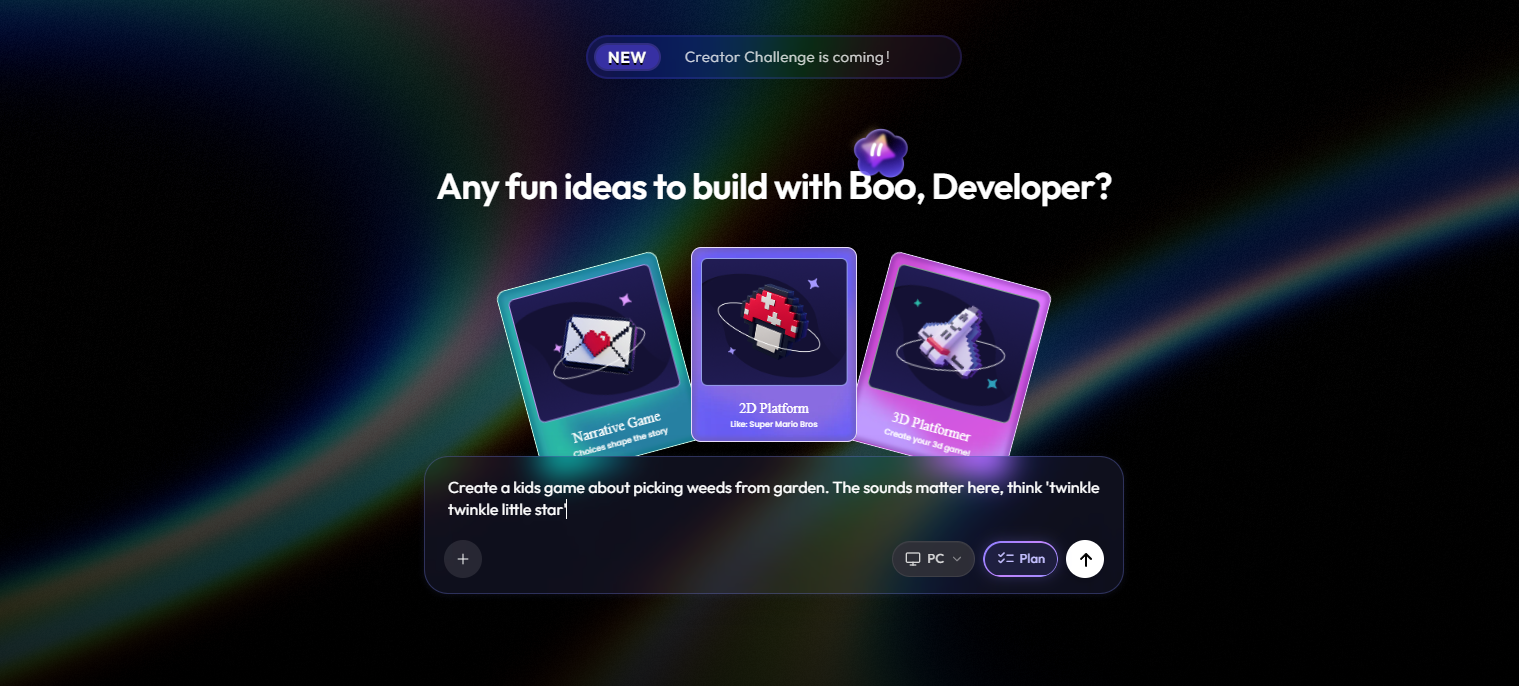
Step 2 — Feed the References In: Feed those references into your opening prompt — “make a game that has the quality of all three of these” — and let Boo interpret the combination. The intersection of three specific references is a more precise creative brief than a single abstract description.
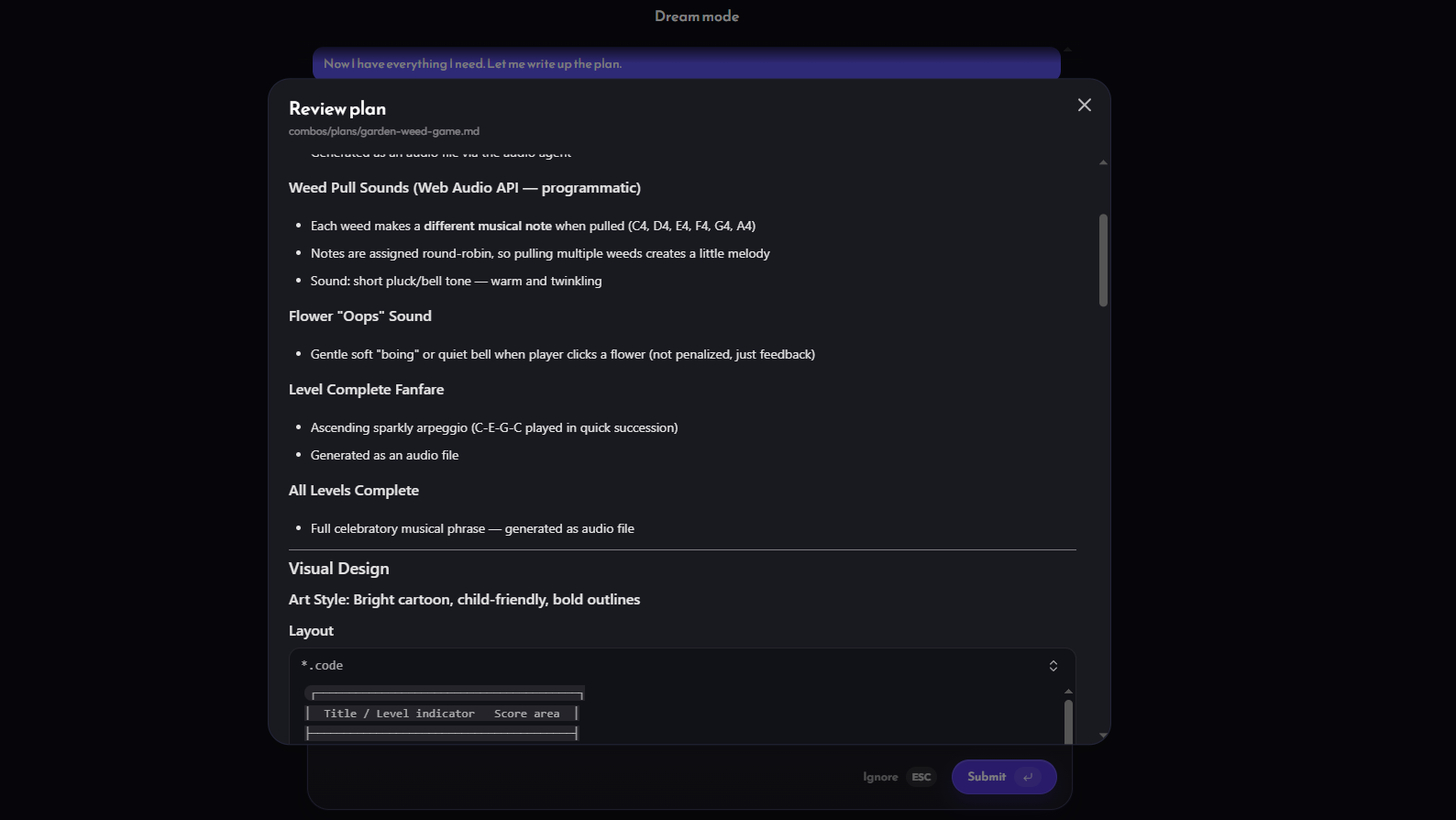
Step 3 — Aesthetic Before Mechanic: Let the Game Design Document reflect the aesthetic priority first. Only after the visual style, audio texture, and pacing feel right should you evaluate whether the mechanics make sense. Fix the feeling before fixing the systems.
Step 4 — Atmosphere Over Features: Use Combos‘ no-code editor to adjust pacing, visuals, and atmosphere rather than adding new features. Adding features rarely helps a vibe coding game. Deepening the atmosphere almost always does.
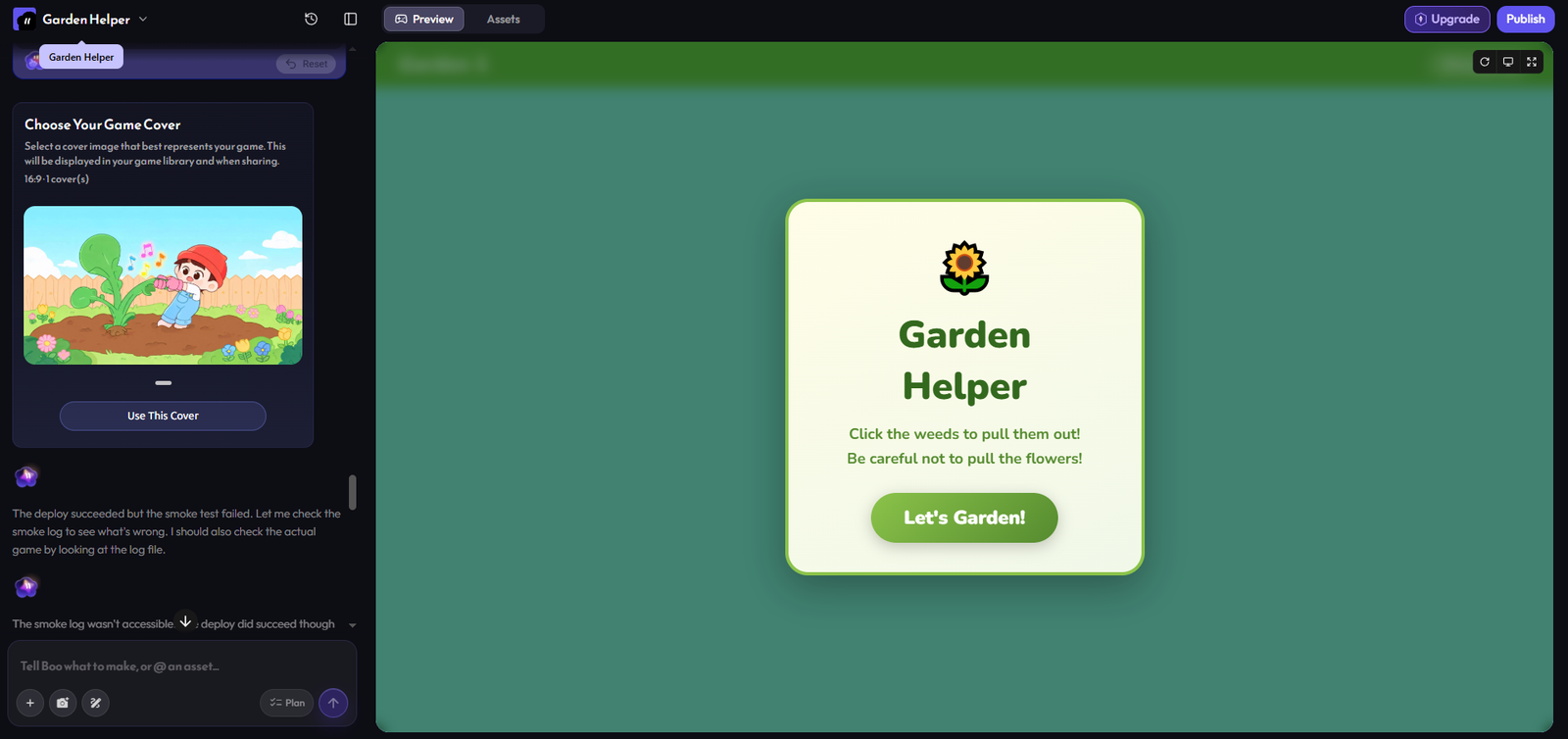
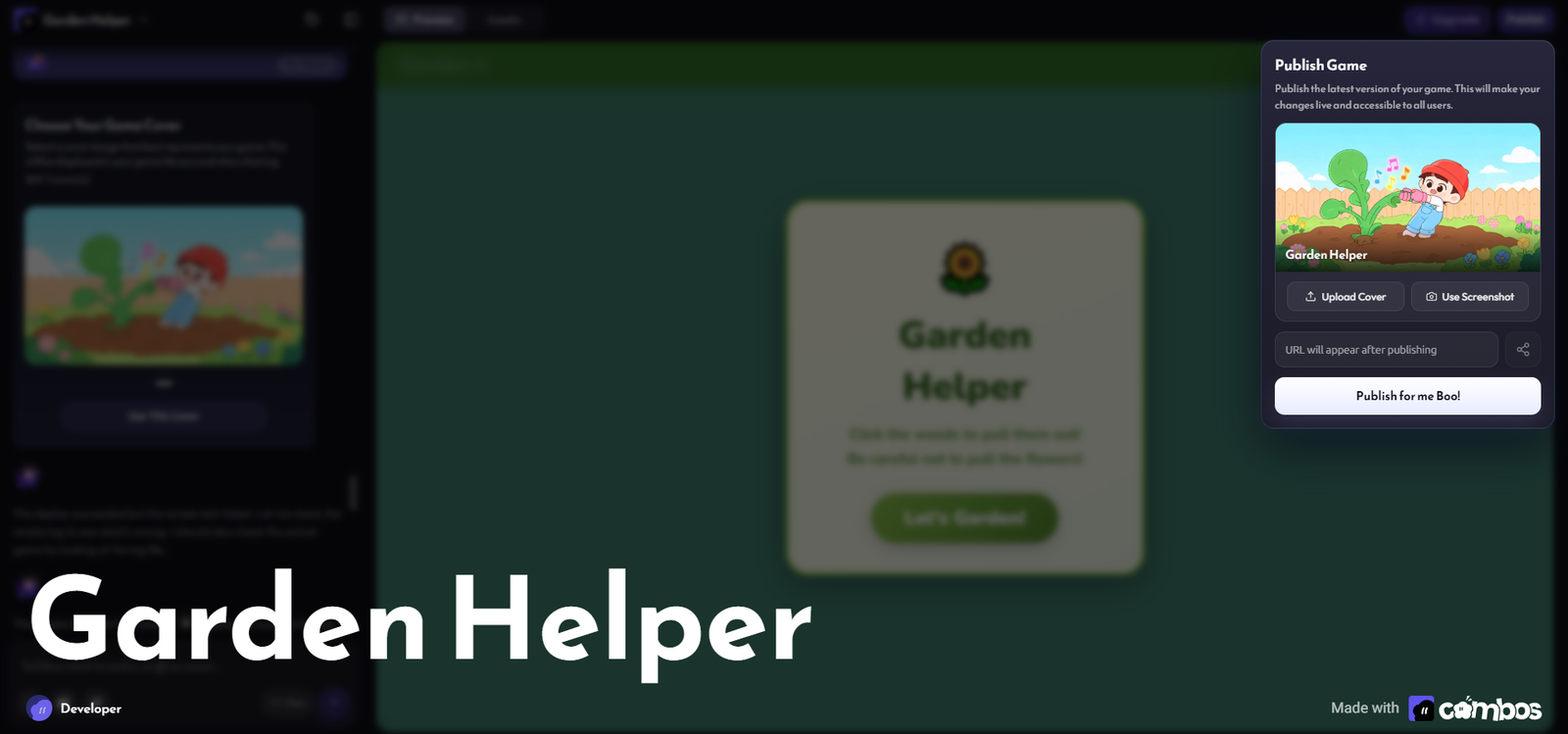
Step 5 — Unguided Reaction Test: Generate the shareable link and send it to someone with no context — no explanation of what the game is, what you were trying to create, or how long it took. Their unguided reaction is the most accurate feedback you will receive on whether the vibe landed.
Refinement Without Losing the Original Energy
The risk in every creative refinement process is the gradual erosion of the quality that made the original worth pursuing. In vibe coding, this risk is particularly acute because the feeling that started the project is the whole point — and feelings are fragile things that are easy to edit away without noticing.
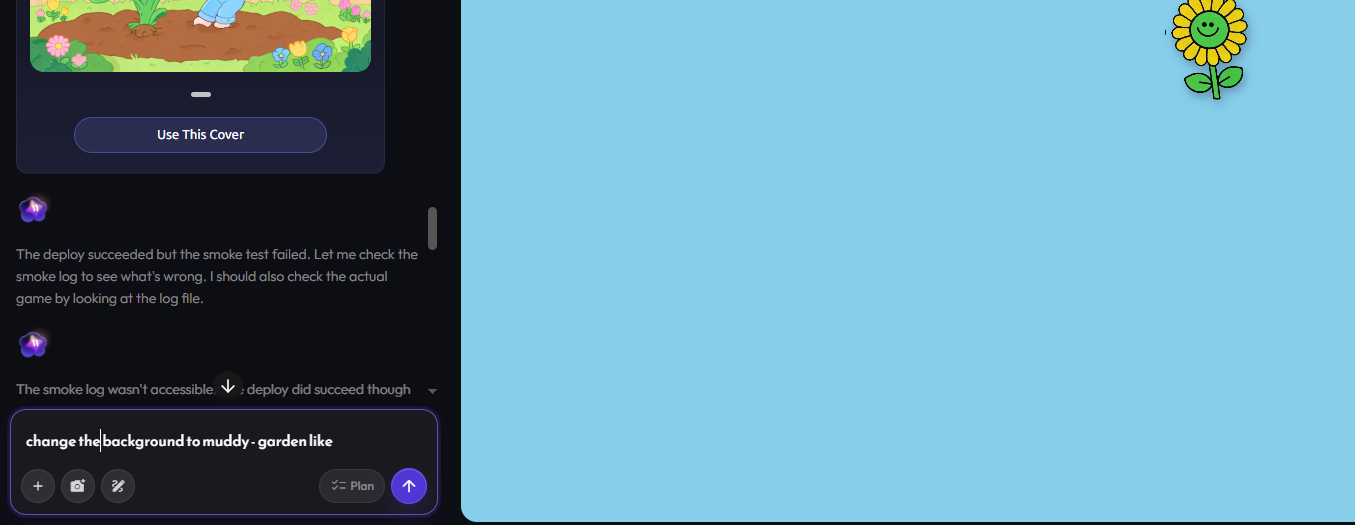
The most effective way to protect the original energy through the refinement process is to check your changes against the original prompt rather than against the previous version of the game. The previous version normalises whatever you have already changed. The original prompt keeps you anchored to the intention that started the whole process. Make changes that bring the game closer to the feeling in the prompt, not changes that make the game more polished in a general sense.
The Gap Between What You Imagined and What You Shipped
There will almost always be a gap between the feeling you imagined when you wrote the prompt and the feeling produced by the game you ship. This gap is not a failure — it is an inherent feature of translation between internal experience and external creative object. The goal is not to eliminate the gap but to make it small enough that something genuine survives the translation.
The most experienced vibe coding creators have learned to accept and even value the gap. The differences between what they imagined and what they shipped often contain surprises — qualities the AI introduced that they would not have thought of themselves, interpretations that are more interesting than what they planned. The gap is where the collaboration between human creative intent and AI interpretation produces something neither could have made alone.
Conclusion
Building a vibe coding game from feeling to shareable link is a creative process with a clear shape and a specific set of practices that make it more reliable. Combos supports this process through an ai game agent that reads emotional intent, generates aesthetically coherent output, and iterates quickly enough to maintain creative momentum. The feeling you start with is the compass. The shareable link at the end is evidence that you followed it somewhere worth going.