Subscription Boxes Aren’t Just About Presentation, Why Structure Shapes the Customer Experience

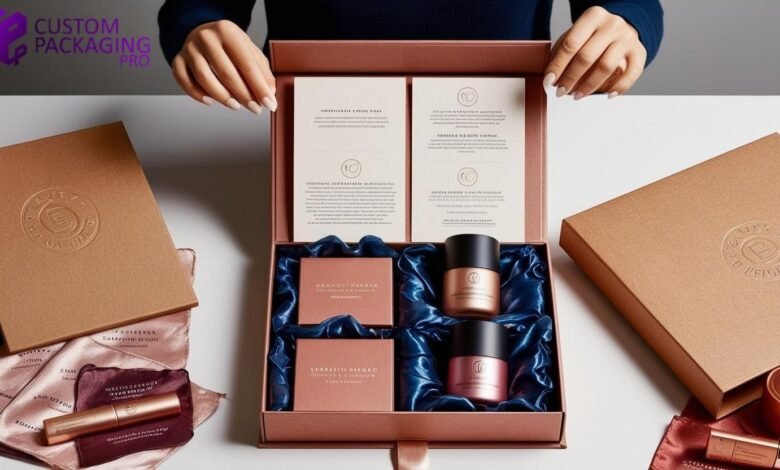
Subscription boxes are often discussed in terms of branding, excitement, and unboxing appeal. Many businesses focus on how the box looks because subscription packaging is meant to do more than deliver products. It is supposed to create anticipation, strengthen brand recall, and make the customer feel that they are receiving something thoughtfully curated rather than simply shipped. That is why subscription brands usually invest in printed interiors, attractive finishes, custom inserts, and carefully selected layouts that make the package feel more premium.
That visual focus is important, but it often causes brands to overlook something equally critical: the structural planning of the box itself. The way length, width, and height are defined has a direct impact on how the subscription box performs in storage, shipping, handling, and presentation. A subscription package may look impressive in a mockup, but if the dimensions are not aligned with the product assortment inside, the experience quickly starts to feel less polished. Products may shift, inserts may lose effectiveness, and the box may feel unnecessarily large or slightly cramped depending on how the proportions were planned.
This matters because subscription packaging is judged as a complete experience. Customers are not only receiving products. They are receiving a recurring brand moment. If the structure feels secure, organized, and intentional, the brand appears more refined. If the packaging feels loose, inefficient, or inconsistent, the excitement created by the design can weaken before the customer has even used the product.
Why Subscription Packaging Has Different Demands
Unlike standard e-commerce packaging, subscription boxes usually carry multiple items at once. These items may vary in size, shape, fragility, and weight from one shipment to the next. That makes structural planning more demanding. A box designed only for appearance may not perform well when the internal assortment changes, especially if there is no dimensional flexibility built into the packaging system.
This is one of the main reasons subscription brands often struggle with consistency. The first few shipments may work well because the product mix is predictable. But as the subscription evolves, packaging starts to reveal weaknesses. One month, the box feels too large for the assortment. Another month, products feel packed too tightly. Over time, this inconsistency affects both cost efficiency and customer perception.
Well-planned subscription packaging avoids this problem by treating dimensions as part of the customer experience. The internal space has to support variation without making the package feel empty or unstable. That balance is what makes recurring packaging feel dependable rather than improvised.
The Relationship Between Size and Perceived Value
Subscription boxes are especially sensitive to proportion because customers tend to judge value visually before they judge it practically. A box that is too large for the contents can create disappointment because it makes the assortment feel smaller than expected. A box that is too compact can feel crowded and reduce the sense of discovery that subscription brands often depend on.
The most effective subscription packaging creates a sense of fullness without looking forced. Products should feel arranged rather than squeezed in. The box should feel substantial without appearing wasteful. That effect is rarely achieved through design alone. It usually comes from careful control of length, width, and height, supported by inserts or layout decisions that make the contents feel intentional.
This is where structural planning becomes a branding tool. It helps shape how customers interpret value before they even interact with the products inside.
Why Oversized Boxes Become Expensive Quickly
Many subscription brands choose larger boxes to give themselves flexibility. At first, this feels like a safe decision because it allows more room for changing product combinations. But oversized packaging creates its own problems. It increases shipping cost, uses more board material, and often requires more filler or insert support to prevent movement during transit.
The bigger issue is that these costs compound over time. Subscription businesses do not send occasional packages. They ship recurring orders. Even a small structural inefficiency, when repeated monthly, can become a noticeable drain on margins. This is why subscription packaging should never be chosen only for convenience. What seems flexible in the short term often becomes expensive in the long term.
The table below shows how structural choices typically affect subscription box performance.
| Packaging Approach | Immediate Benefit | Long-Term Effect |
| Oversized box for flexibility | Easier to fit changing assortments | Higher shipping cost and weaker presentation |
| Tightly packed box | Reduced empty space | Less flexibility and possible product pressure |
| Balanced custom sizing | Better fit and stronger brand experience | Improved consistency and cost control |
How Internal Layout Influences the Unboxing Experience
In subscription packaging, the internal layout matters almost as much as the outer structure. Customers expect the contents to feel curated. If the arrangement inside the box looks random or unstable, the perceived value drops even if the products themselves are good. This is especially true for brands offering beauty subscription boxes, makeup subscription boxes, food subscription boxes, and gift subscription boxes, where presentation is part of the overall experience rather than just a practical requirement.
That is why size planning should always consider internal presentation. The dimensions of the box should support how products are revealed when the customer opens it. A well-sized subscription package allows products to sit naturally, keeps branding materials in place, and makes the overall composition feel deliberate. This creates a smoother emotional experience because the customer can immediately understand the care that went into the packaging. For a monthly subscription box, this level of consistency becomes even more important because customers expect every delivery to feel intentional and well organized.
When sizing is wrong, the opposite happens. Products may overlap awkwardly, inserts may not hold well, and the box may feel either too empty or too compressed. These details weaken the effect that subscription brands are usually trying to create. Whether the shipment includes products similar to a snack subscription box, coffee subscription box, tea subscription box, or even subscription beauty boxes, poor internal layout can make the overall presentation feel less premium than intended.
Why Standard Box Sizes Often Fall Short
Standard box sizes can work for simple shipping needs, but subscription businesses usually have more complex packaging demands. Since the contents may include a mix of beauty items, snacks, wellness products, printed cards, or seasonal inserts, standard dimensions often leave too much room in one shipment and too little in another. This becomes especially challenging for brands offering monthly subscription boxes, food subscription gifts, apparel subscription boxes, or subscription boxes for women, where product combinations may change while the customer still expects a consistent presentation.
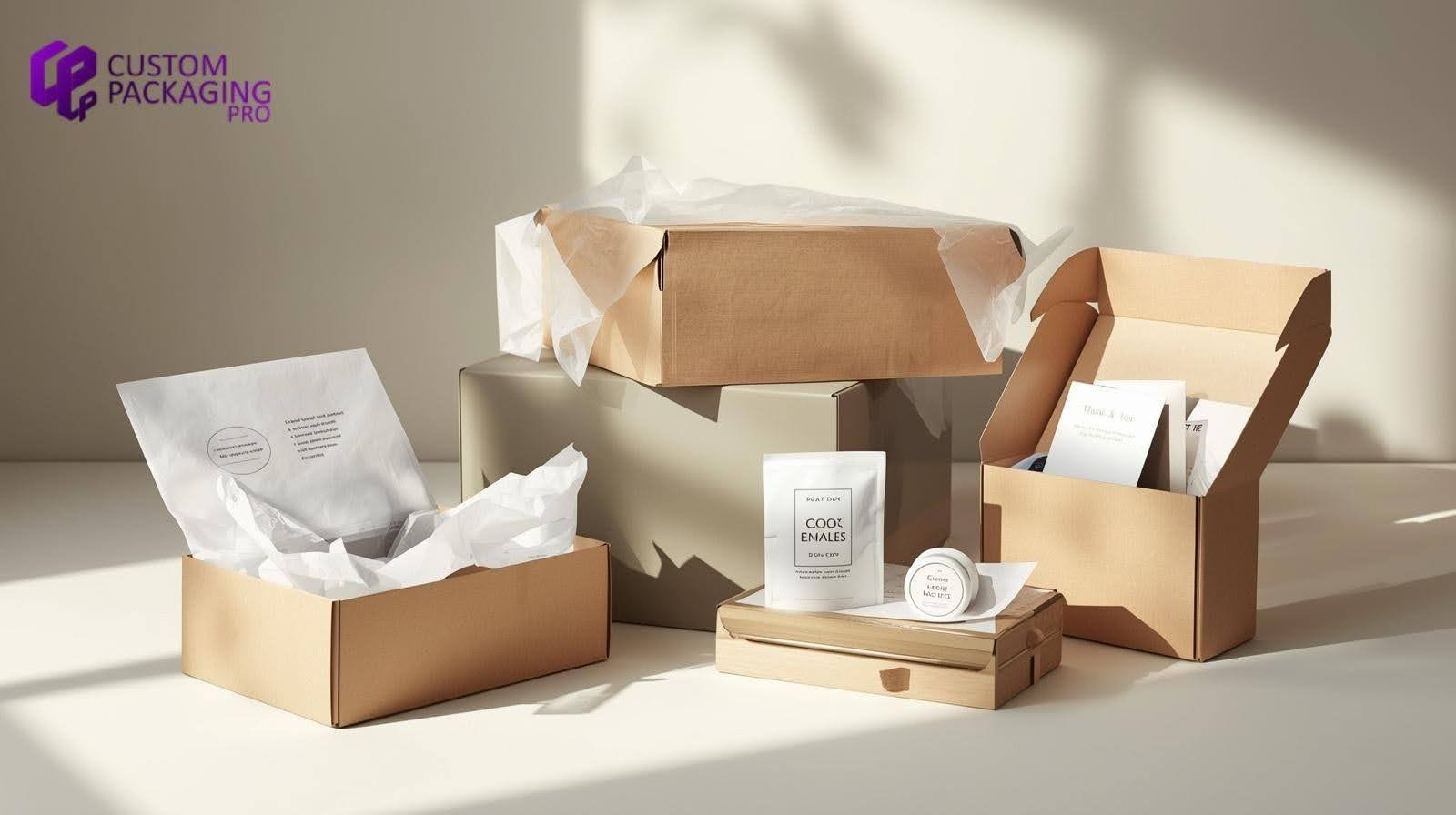
This leads brands into a cycle of adjustment. They compensate with tissue, crinkle paper, partitions, or filler material, trying to make one box size work for every version of the assortment. While this may solve immediate packing issues, it rarely creates a strong long-term system. It also makes the brand experience feel less controlled. For categories like best beauty subscription boxes, soap subscription box, cheese subscription box, or chocolate subscription box, that inconsistency can reduce the overall sense of quality and curation.
That is why many successful subscription businesses eventually refine their packaging around real assortment patterns rather than relying only on off-the-shelf sizes. Once they understand which product combinations appear most often, they can build packaging that supports both consistency and flexibility. This is one of the reasons professionally planned custom subscription packaging performs better over time than generic solutions.
The Role of Structure in Customer Retention
Subscription brands depend heavily on repeat customers, which means the packaging experience is not a one-time impression. It is repeated over and over. This changes the role of packaging. It is no longer just about making a strong first impression. It is about maintaining trust and reinforcing brand value across multiple deliveries. In categories such as beauty box subscription, book subscription boxes, food subscription box, and dog subscription box, consistency in packaging helps customers feel they are receiving the same level of care every time.
A structurally well-planned box helps do that because it creates consistency. Customers know what to expect. The presentation feels reliable. The packaging continues to support the excitement of the subscription instead of becoming a source of disappointment or unpredictability. This matters even more for subscription boxes for kids, cat subscription box, and female subscription boxes, where the experience is often tied closely to surprise, delight, and presentation quality.
This is especially important when the subscription is positioned as premium. In that case, the box itself becomes part of the service. Customers are not only paying for products. They are also paying for curation, presentation, and experience. Structure helps justify that promise. For brands competing in categories like best makeup subscription boxes or other high-perception segments, packaging consistency can support long-term retention as much as the products themselves.
When Custom Subscription Packaging Makes Sense
Custom packaging becomes valuable when a subscription brand wants better control over both cost and experience. It allows the business to design around its most common product mix, protect fragile items more effectively, and create a more cohesive unboxing flow. It also helps reduce the waste that comes from relying on oversized packaging for every shipment. For businesses offering custom subscription boxes across categories such as beauty, food, lifestyle, and gifting, this shift often improves both presentation and operational performance.
For growing subscription brands, this change often marks an important stage of maturity. Instead of adapting the products to whatever packaging is available, the packaging is designed around the actual needs of the subscription. That change usually improves efficiency while also strengthening the customer experience. Whether a brand is focused on fashion subscription box, lego subscription box, home decor subscription box, or lifestyle monthly subscription boxes, custom sizing allows packaging to feel more intentional and scalable.
In markets where presentation matters, that advantage can be significant. Packaging that feels deliberate makes the subscription feel more valuable, even before the customer uses what is inside. This is why many brands that want stronger retention and a more premium delivery experience eventually move toward custom subscription packaging rather than depending on standard box formats alone.
Final Thoughts
Subscription boxes are often remembered for their design, but their long-term success depends just as much on structure. The balance of length, width, and height influences shipping efficiency, internal presentation, product stability, and how customers perceive value from one delivery to the next. A box that looks attractive but feels poorly sized can weaken the entire subscription experience, while a box that is structurally well planned can make the brand feel more reliable, premium, and intentional.
Brands that treat subscription packaging as both a visual and structural decision are usually better positioned to control costs and deliver a stronger recurring experience. Companies like Custom Packaging Pro are helping businesses in the USA create subscription packaging that is designed around actual product combinations, presentation goals, and long-term packaging efficiency.
FAQs
Why is size planning important for subscription boxes?
It is important because subscription boxes need to protect multiple items, maintain presentation quality, and control shipping costs at the same time.
Can one standard box size work for every subscription shipment?
It can work temporarily, but over time it often creates inconsistency, wasted space, and higher packaging costs.
How do dimensions affect the unboxing experience?
The dimensions shape how products sit inside the box, how organized the layout feels, and how premium the overall presentation appears.
When should a subscription brand consider custom packaging?
A brand should consider it when standard packaging no longer supports product variety, presentation quality, or shipping efficiency effectively.