20-Foot Bi-Parting Wrought Iron Gate: Elegant Driveway Security for Canadian Homes

Introduction and Market Relevance
Across Canadian residential properties, driveway entrances serve as both access points and first impressions. Homeowners increasingly seek security solutions that complement architectural style. A 20-foot bi-parting wrought iron ornamental gate provides wide entrance coverage while maintaining visual elegance. In suburban estates and rural properties, these gates offer perimeter security without blocking views of the home or landscape.
Canadian homeowners face property crime concerns in many regions. Visible security features deter opportunistic intruders. A wrought iron gate signals that the property is protected while adding curb appeal that supports property values.
Common Applications and Design Features
Bi-parting wrought iron gates are commonly used for:
- Residential driveway entrances on estate properties
- Farm lane access control for rural homesteads
- Equestrian property vehicle entrances
- Gated community individual driveways
- Secluded home perimeter security
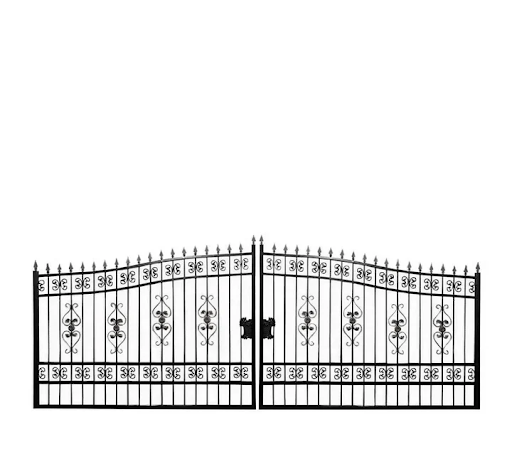
The bi-parting design features two gate leaves that meet at the center, each swinging open away from the driveway centerline. Total opening clearance reaches 20 feet, accommodating two vehicles side by side. Solid forged steel construction provides strength exceeding hollow tube alternatives. Powder coating offers corrosion resistance for Canadian weather conditions. Ornamental details include spear finials, scrollwork, and decorative pickets that match traditional wrought iron aesthetics.
Security Benefits and Property Value
Wrought iron gates provide physical deterrence without creating blind spots. Visitors can be seen approaching before the gate opens, allowing homeowners to verify identity. The open picket design prevents hiding spots that solid gates create. Lockable gate hardware secures the entrance after hours when homeowners are away.
Property value studies indicate that quality ornamental gates add between two and five percent to resale value. For a million dollar home, this represents twenty thousand to fifty thousand dollars in added value. The gate effectively pays for itself through appreciation independent of its security function.
Technical Principles and Installation Considerations
Several factors affect gate performance and longevity. Solid forged steel resists bending from vehicle impact better than hollow tube construction. Powder coating provides UV protection and rust resistance for eight to ten years. Bi-parting gate leaves each travel only ten feet, reducing swing radius compared to single-leaf designs.
Installation quality significantly impacts gate function. Hinge posts must be set in concrete below the frost line to prevent frost heave misalignment. Posts out of plumb by even one-quarter inch cause gate sag or binding. Proper hinge placement distributes weight evenly, preventing premature wear.
Heavy-duty forged steel hinges with ball bearings support the gate weight and reduce friction. Gravity hinges automatically return leaves to the closed position. Electric gate openers can automate the bi-parting design for convenient remote operation.
Safety Practices and Maintenance Guidelines
Safe gate operation requires several key practices:
- Set hinge posts in concrete below frost line
- Verify gate level before concrete sets
- Keep gate leaves fully open or fully closed
- Test manual release function on automatic openers
- Install safety sensors on motorized gates
Maintenance includes annual inspection of hinge bolts and latch mechanism, lubrication of pivot points with lithium grease, touch-up powder coating for any scratches exposing bare steel, adjustment of gate tension springs every two years, and checking for debris in the swing path before operation.
Advantages and Limitations
Advantages of wrought iron gates include:
- Twenty foot vehicle clearance
- Bi-parting balanced operation
- Solid forged steel construction
- Powder coated finish for rust protection
- Ornamental wrought iron design
- Compatible with automatic openers
- Visible security deterrence
Limitations to consider:
- Professional installation required
- Higher cost than aluminum or wood
- Annual maintenance needed
- Heavy weight requires reinforced posts
- Not suitable for coastal salt spray without coating
Real-World Application Example
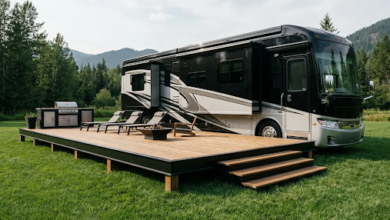
A Canadian homeowner in Oakville, Ontario replaced a decaying wooden driveway gate with a 20-foot bi-parting wrought iron gate. The previous wood gate had warped after seven years, requiring manual lifting to close. The new forged steel gate was installed on new concrete footings set below the frost line. The bi-parting design eliminated the need for a center post, allowing unobstructed access for a recreational vehicle. After three winters, the gate showed no rust or alignment issues.
Conclusion and Future Outlook
TMG Industrial Wrought iron gates remain the standard for residential driveway security where both strength and aesthetics matter. Bi-parting designs offer practical advantages for wider driveways while maintaining formal symmetry. Future trends include integration with home automation systems, solar-powered gate operators, and anti-rust coatings that extend service life beyond fifty years.
Homeowners planning new driveways or gate replacements should evaluate bi-parting wrought iron for its balance of security, longevity, and aesthetic value. The combination of solid forged steel construction and powder coating makes this gate suitable for diverse Canadian residential applications.