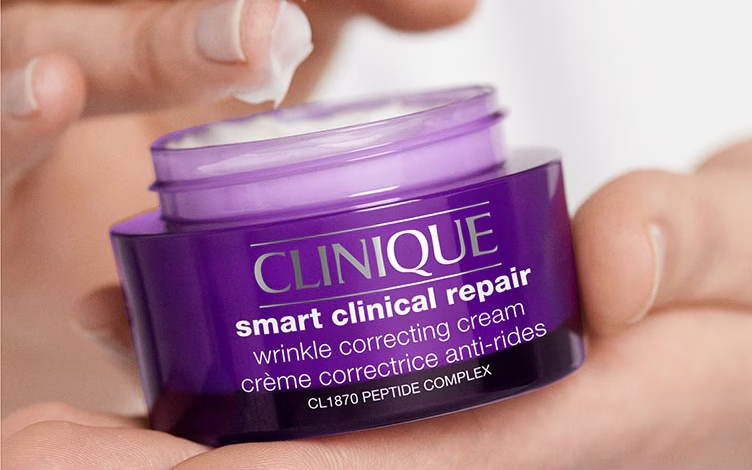
As the skin naturally changes with age, the neck is often one of the first areas to show visible signs of aging. Fine lines, crepey texture, and reduced firmness can gradually become more noticeable due to collagen loss, sun exposure, and the natural aging process. Because of these changes, many people wonder whether topical neck creams can deliver meaningful improvements or whether surgery is the only effective option.
The answer depends largely on your goals and expectations. While no topical product can replicate the dramatic structural changes achieved through surgery, modern neck creams can play a valuable role in improving the appearance of skin texture, hydration, and firmness when used consistently as part of a comprehensive skincare routine.
How Neck Tightening Creams Are Supposed to Work
Neck tightening creams are formulated to target the visible signs of aging by supporting healthier-looking skin through hydration and ingredients that promote a smoother, firmer appearance. While formulations vary, many contain moisturizing ingredients, peptides, antioxidants, and compounds that help reinforce the skin barrier while improving the look of elasticity over time.
Hydration alone can make a noticeable difference by temporarily plumping the skin, helping fine lines appear softer and reducing the appearance of dryness that often contributes to crepey texture. Other ingredients work by supporting collagen production or protecting the skin from environmental stressors that contribute to premature aging.
Choosing the best neck firming cream involves looking beyond marketing claims and focusing on products with well-formulated ingredients that encourage long-term consistency. Like most skincare products, neck creams typically produce gradual improvements rather than immediate transformations.
Building a complete skincare routine also means addressing other skin concerns beyond firmness. Individuals managing acne or post-inflammatory discoloration often research benzoyl peroxide or azelaic acid to determine which ingredients best suit their skin type and treatment goals. Taking a comprehensive approach to skincare helps support healthier-looking skin across multiple areas rather than focusing on a single concern.
Realistic Results: Creams vs. Surgery
One of the most important aspects of choosing between topical skincare and cosmetic procedures is understanding what each option is designed to accomplish.
Neck lift surgery physically repositions underlying tissues and removes excess skin, allowing for significant structural changes that topical products simply cannot achieve. Individuals with substantial skin laxity or excess loose skin may find that surgery provides the most dramatic results.
Neck creams, however, work at the surface level. They can improve hydration, soften the appearance of fine lines, enhance skin texture, and create a firmer-looking complexion over time. While these improvements are generally more subtle than surgery, they can still make a meaningful difference for individuals with mild to moderate signs of aging.
Lifestyle habits also influence how skin ages. Consistent sun protection, a balanced diet, quality sleep, and overall wellness all contribute to healthier-looking skin. Nutrition, including adequate intake of vitamins and minerals, supports the body’s natural processes, which is why many people also explore the best hair vitamins for men and other nutritional resources as part of a broader approach to healthy aging.
Final Thoughts
Neck tightening creams and neck lift surgery serve different purposes, making them complementary rather than competing options. While creams cannot replace the structural changes achieved through surgery, they can help improve the appearance of firmness, hydration, and overall skin quality when used consistently. For individuals seeking non-invasive improvements, a well-formulated neck cream paired with healthy lifestyle habits and realistic expectations can be an effective way to support smoother, healthier-looking skin over time.