What Is Veneajelu?
Veneajelu is a Finnish term that means a relaxing boat ride taken for enjoyment rather than transportation. The word comes from vene, meaning boat, and ajelu, meaning ride. In Finnish culture, veneajelu describes peaceful journeys across lakes, rivers, or coastal waters where people relax, explore nature, and enjoy the quiet beauty of the surrounding landscape. In simple terms, veneajelu is a leisurely boat trip that reflects Finland’s deep connection to water and nature.
Introduction
Finland is often called the “Land of a Thousand Lakes,” but the country actually has around 188,000 lakes, along with thousands of rivers, islands, and a long Baltic Sea coastline. Because water is everywhere in Finland, boating has always been a natural part of everyday life. From small villages to major cities like Helsinki, people live close to water and regularly use boats for travel, fishing, and recreation.
One of the most beloved activities connected to this water-rich landscape is veneajelu, a relaxing boat ride enjoyed by locals and visitors alike. Veneajelu represents more than simply moving across water. It combines nature, culture, and relaxation into one peaceful experience. Many Finns see it as a way to slow down, spend time with family or friends, and enjoy the beauty of lakes and coastal islands.
Veneajelu can take many forms. Some people enjoy quiet trips in rowboats on small lakes, while others explore coastal islands by sailboat or motorboat. Organized cruise boats also offer guided trips through beautiful archipelagos and historic waterways. Each type of ride provides a slightly different experience, but the feeling of calm and connection with nature remains the same.
This article explores the world of veneajelu in detail. It covers its history, the most beautiful destinations, types of boat rides, safety rules, cultural meaning, and helpful travel planning tips for anyone interested in experiencing Finland from the water.
The Meaning and Linguistic Origin of Veneajelu
The word veneajelu comes from the Finnish language and combines two simple words. The first part, vene, means “boat,” while the second part, ajelu, means “ride,” “drive,” or “casual trip.” When these two words are combined, they form a term that literally means “boat ride.”
However, in Finnish culture, the meaning of veneajelu goes beyond a simple translation. It does not usually refer to transportation or travel with a specific purpose. Instead, it describes a leisure boat ride taken for enjoyment, relaxation, or exploration.
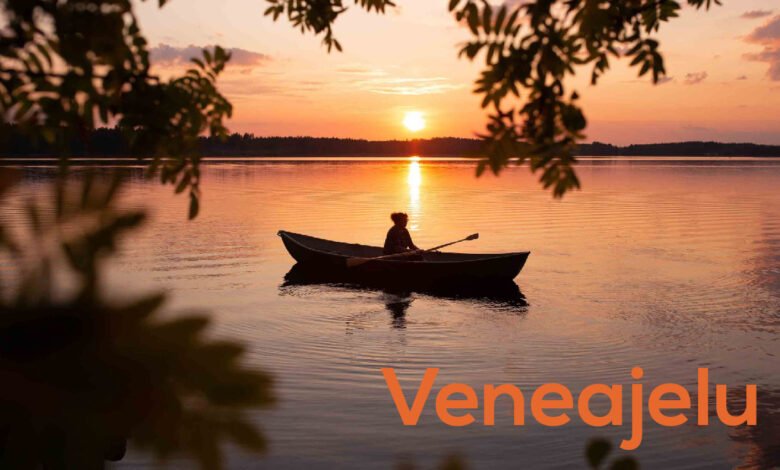
In Finland, where lakes and coastal waters shape daily life, veneajelu represents a deeper cultural idea. It reflects the tradition of spending time on water, enjoying nature, and slowing down from busy routines. A veneajelu might involve drifting across a quiet lake at sunset, exploring narrow channels between islands, or sharing a peaceful moment with friends on a small boat.
Because of this cultural meaning, veneajelu has become associated with Finnish boating culture, nature recreation, and summer travel. Visitors searching for experiences like leisure boat rides, lake travel in Finland, or archipelago boating often discover veneajelu as one of the most authentic ways to enjoy the country’s landscape.
Finland’s Deep Connection to Water
Finland’s geography explains why veneajelu plays such an important role in everyday life. The country contains about 188,000 lakes, which makes it one of the most water-filled nations in the world. These lakes are connected by rivers, canals, and inland waterways, creating an extensive natural network that spreads across the entire country.
In addition to its lakes, Finland has a long Baltic Sea coastline and thousands of islands forming the famous Finnish archipelago. Some areas, such as the Turku Archipelago, contain tens of thousands of islands connected by small waterways and ferry routes. This landscape makes boating one of the easiest and most enjoyable ways to explore the region.
Water has shaped Finnish lifestyle for centuries. Many families own or visit a summer cottage, known as a mökki, located near a lake or along the coast. Spending time at the cottage often includes swimming, fishing, sauna sessions, and evening boat rides. A simple veneajelu after a sauna is a common tradition that combines relaxation with nature.
Fishing is another long-standing part of Finnish culture. Lakes and coastal waters provide species such as pike, perch, and zander, which locals often catch during small boat trips. In archipelago areas, boats are also used for visiting neighboring islands, enjoying picnics, or exploring quiet beaches.
Because water surrounds daily life in Finland, boating naturally became a regular activity. Veneajelu grew from this connection with nature and remains a peaceful way to experience the country’s unique landscape.
Historical Roots of Veneajelu
Although veneajelu is now known as a leisure activity, its origins are closely connected to Finland’s history of water transportation. Before modern roads and railways were built, many communities relied on boats to travel between villages, transport goods, and access fishing areas.
Early boats were simple but effective. People often used wooden rowboats or dugout canoes carved from large logs. These vessels were designed to move easily across lakes and rivers while carrying supplies, fish, or passengers. Over time, boat designs improved, and larger sailboats began to appear along coastal areas.
Fishing boats played a particularly important role in coastal communities. Fishermen used them to reach productive fishing grounds and bring fresh catches back to shore. In inland regions, boats helped farmers transport timber, crops, and other goods across lakes.
During the late 19th and early 20th centuries, Finland began to develop better roads and transportation networks. As a result, boats slowly shifted from being essential travel tools to recreational vessels. Wealthier families started building summer cottages near lakes, and boating became part of leisure life.
By the mid-20th century, motorboats made boating more accessible to the general public. Tourism also began to grow, and organized boat tours started appearing in major cities and popular lake regions. Today, veneajelu continues to evolve, blending traditional boating culture with modern tourism experiences.
Types of Veneajelu Experiences
Veneajelu can take many forms depending on the type of boat used and the purpose of the trip. Some rides focus on relaxation and nature, while others include sightseeing, fishing, or longer journeys across lakes and coastal waters.
| Type | Boat Used | Experience |
|---|---|---|
| Rowboat rides | Small rowboats | Quiet trips for fishing or relaxation on calm lakes |
| Motorboat cruises | Outboard motorboats | Scenic tours and faster travel across larger waters |
| Sailing trips | Sailboats | Exploring coastal islands and open water |
| Houseboat travel | Floating houseboats | Multi-day journeys with overnight stays |
| Guided cruises | Tourist vessels | Cultural sightseeing with commentary |
Rowboats are common on small lakes and near summer cottages. They allow travelers to move slowly through quiet waters and enjoy birdwatching or fishing. Motorboats are more suitable for larger lakes or coastal areas where longer distances must be covered.
Sailing trips offer a more adventurous experience, especially in the Finnish archipelago. Houseboats provide comfortable travel for several days, allowing visitors to sleep on the water while exploring different locations.
Guided cruises are especially popular among tourists. These tours often include cultural stories, historical information, and scenic views of landmarks along the route.
The Most Beautiful Veneajelu Destinations in Finland
Finland offers many stunning locations for veneajelu. Each region provides a different landscape and boating experience.
| Destination | Waterway Type | Notable Features | Best Season |
|---|---|---|---|
| Helsinki Archipelago | Coastal sea | 300+ islands, Suomenlinna fortress | Summer |
| Lake Saimaa | Inland lake | Rare Saimaa ringed seal | Summer |
| Turku Archipelago | Coastal sea | Thousands of islands | Summer–Autumn |
| Lake Päijänne | Inland lake | National park scenery | Summer |
| Lake Inari | Northern lake | Remote wilderness | Summer |
The Helsinki Archipelago is one of the most visited veneajelu areas. Located near the capital city, it offers easy access to hundreds of islands and historic sites like Suomenlinna Sea Fortress.
Lake Saimaa is the largest lake in Finland and a peaceful destination known for its maze of islands and forests. Visitors may even spot the rare Saimaa ringed seal, one of the most endangered seals in the world.
The Turku Archipelago is famous for island hopping. Travelers can explore many small communities connected by ferries and boating routes.
In northern Finland, Lake Inari offers a quiet wilderness experience surrounded by forests and Sámi cultural heritage.
What Makes Veneajelu Special for Visitors
Many travelers search for veneajelu because it offers a unique way to experience Finland’s natural beauty. Unlike crowded tourist attractions, a boat ride often provides peaceful surroundings and wide open landscapes.
One of the main attractions is the calm and quiet atmosphere. Lakes and archipelagos allow visitors to escape busy city life and enjoy fresh air, gentle waves, and beautiful scenery.
During summer, Finland experiences the midnight sun, when daylight lasts almost all night. Evening veneajelu trips during this time create unforgettable views with golden reflections across the water.
Wildlife sightings are also common. Travelers may see seals resting on rocks, sea eagles flying above the water, ospreys hunting for fish, and many species of water birds.
For photographers and nature lovers, veneajelu offers endless opportunities to capture peaceful landscapes and unique wildlife moments.
Seasonal Veneajelu – When Is the Best Time?
The veneajelu season in Finland usually runs from May to September, when lakes and coastal waters are free of ice.
Late spring brings long daylight hours and quiet waterways. Summer is the busiest time, with warm weather and many organized tours available. Early autumn offers colorful forests and peaceful lake scenery.
In winter, most lakes freeze, so traditional boating stops. However, some areas offer unique activities such as ice boating or snowmobile travel across frozen lakes.
Safety Essentials for Veneajelu
Safety is an important part of every boating trip. Finnish boating laws require certain equipment on board.
Essential safety items include life jackets for every passenger, signaling devices, and navigation lights for evening travel. Life jackets should always be worn by children and non-swimmers.
Weather conditions can change quickly on open water. Travelers should check forecasts from the Finnish Meteorological Institute before starting a trip.
The boat operator should remain sober and understand basic navigation rules. Responsible boating helps ensure a safe and enjoyable veneajelu experience for everyone.
Environmental Responsibility and Eco-Friendly Boating
Finland places great importance on protecting nature. Responsible veneajelu includes respecting wildlife and keeping waterways clean.
Eco-friendly boating practices include using electric boats, reducing speed near shorelines, and avoiding waste in the water. Many boaters also follow “leave no trace” principles by taking all rubbish back to shore.
Finland also follows the concept of Jokamiehenoikeudet, or “Everyman’s Right.” This principle allows people to enjoy nature freely, but it also requires them to act responsibly and respect the environment.
How to Plan Your Own Veneajelu Trip
Planning a veneajelu trip is relatively simple, especially during the summer season. Many marinas and tourism companies offer boat rentals and guided tours.
Boat rental options include local marinas, guided tour companies, and private charters. Prices vary depending on the type of boat.
Typical daily costs include:
Rowboat: €20–€40
Motorboat: €70–€150
Yacht or sailboat: €250 or more
Travelers should bring windproof clothing, sunscreen, snacks, and a waterproof bag to protect valuables from splashes.
Planning ahead ensures a comfortable and enjoyable boating experience.
Veneajelu and Finnish Culture
Veneajelu is deeply connected to Finnish traditions and lifestyle. Many families spend summer holidays at lakeside cottages where boating is a regular activity.
A common tradition is enjoying a sauna followed by a relaxing evening boat ride. Families often gather on the water to talk, fish, or simply enjoy the peaceful scenery.
The experience also reflects the Finnish concept of sisu, which represents calm strength and determination. Navigating lakes and coastal waters requires patience and respect for nature.
Because of these traditions, veneajelu is more than a recreational activity—it is part of Finnish cultural identity.
Veneajelu in Modern Tourism
In recent years, veneajelu has become an important part of Finland’s tourism industry. Visitors from around the world now join guided boat tours to explore the country’s lakes and archipelagos.
Modern experiences include sunset cruises, photography tours, wildlife watching trips, and eco-tourism boat journeys. Digital tools such as navigation apps and online booking systems have also made planning easier.
Despite these technological changes, the essence of veneajelu remains the same: enjoying nature and experiencing Finland from the water.
Why Veneajelu Is More Than Just a Boat Ride
Veneajelu represents a lifestyle built around nature, relaxation, and simple moments. It allows people to disconnect from daily stress and reconnect with the natural world.
For many travelers, the experience becomes a peaceful escape where the sound of water and wind replaces the noise of cities. Watching sunsets over lakes or drifting quietly between islands creates lasting memories.
Because of this emotional connection, Veneajelu is not only about transportation or tourism. It is about slowing down, appreciating nature, and sharing meaningful moments with others.
Conclusion
Veneajelu is a beautiful expression of Finland’s relationship with water, nature, and culture. From small rowing boats on quiet lakes to guided cruises through vast archipelagos, each boat ride reveals a different side of the country’s landscape.
The activity combines relaxation, exploration, and tradition. It allows locals to maintain cultural practices passed down through generations while offering visitors a unique way to experience Finland.
Whether someone is exploring the islands near Helsinki, watching wildlife on Lake Saimaa, or enjoying a peaceful sunset ride, veneajelu creates unforgettable moments.
For anyone visiting Finland, stepping onto a boat is more than a simple travel choice. It is an invitation to slow down, breathe fresh northern air, and discover the country from its most natural viewpoint—the water.
Frequently Asked Questions (FAQs)
1. What does veneajelu mean?
Veneajelu is a Finnish word that means a relaxing boat ride taken for enjoyment. The term comes from vene (boat) and ajelu (ride). It usually describes peaceful trips across lakes, rivers, or coastal waters where people enjoy nature rather than travel for transportation.
2. When is the best time for veneajelu in Finland?
The best time for veneajelu is from May to September, when lakes and coastal waters are free of ice. Summer is especially popular because Finland has long daylight hours, calm weather, and beautiful scenery across lakes and archipelagos.
3. Do tourists need a boating license for veneajelu?
Tourists do not need a license for guided veneajelu tours because professional captains operate the boats. If renting a small motorboat, a license is usually not required, but larger boats or yachts may require boating experience or a valid license.
4. What should you bring on a veneajelu trip?
It is recommended to bring a windproof jacket, sunscreen, sunglasses, snacks, and drinking water. A waterproof bag is useful for protecting phones and valuables. If the trip is long, comfortable clothing and a camera for photos can also improve the experience.
5. Is veneajelu safe for beginners?
Yes, veneajelu is generally safe for beginners, especially on guided boat tours. Boats must carry life jackets and safety equipment, and following weather forecasts and boating rules helps ensure a safe and enjoyable trip on Finland’s lakes and coastal waters.
Inomyalgia Explained: Powerful Guide to Causes, Symptoms, and Pain Relief