Water Damage at Home: What to Do in the First Hour to Protect Your Property

Introduction
Water damage can turn an ordinary day into a stressful situation within minutes. A washing machine hose may suddenly burst, water might start dripping through the ceiling, or a hidden pipe could leak behind a kitchen cabinet. Whatever the cause, the first hour is extremely important. The actions taken during this period can help limit damage, protect belongings, and make the eventual repair easier.
The biggest challenge is that visible water does not always reveal where the problem started. A wet ceiling might indicate a leaking pipe in the apartment above, while a damp patch near a bathroom could be caused by a damaged connection behind the wall. Acting quickly is essential, but it is equally important to avoid unnecessary risks.
1. Stop the Water Supply First
When water is actively escaping from a pipe or connection, stopping the flow should be the first priority.
If the affected section has its own isolation valve, close it carefully. If you cannot identify the correct valve or the leak continues, turn off the main water supply to the property.
The main shut-off valve is commonly located near the water meter, in a basement, or inside a utility cupboard. In apartments, it may be behind an inspection panel in the bathroom or kitchen.
Once the water supply has been closed, check whether the flow has stopped. Remember that water already trapped inside the pipes may continue draining for a short time.
Do not attempt to dismantle damaged pipe connections while water is still flowing. A temporary patch may also fail under pressure, so avoid relying on improvised repairs as a permanent solution.
2. Check for Electrical Hazards
Water and electricity are a dangerous combination. If water has reached electrical sockets, appliances, extension leads, or wiring, there may be a risk of electric shock.
Do not walk through flooded areas or touch electrical equipment standing in water. Only switch off the affected circuits if you can safely reach the electrical panel from a dry location. If the panel or surrounding area is wet, keep away and contact a qualified electrician or emergency service.
This step should never be rushed. Protecting people is more important than saving furniture, flooring, or household appliances.
3. Find Out Where the Water Is Coming From
After making the area safe and stopping the supply where possible, try to understand the likely source of the water.
Common causes include:
- A burst or cracked water supply pipe.
- A loose or damaged pipe connection.
- A leaking washing machine or dishwasher hose.
- A faulty water heater or boiler connection.
- A damaged shower drain or bathtub seal.
- Rainwater entering through a damaged roof or building envelope.
- A leak coming from an apartment or property above.
The timing of the water appearance can provide useful clues. If moisture appears whenever someone uses the shower, the problem may involve the drain, fittings, or waterproofing. If water continues appearing even when all taps are closed, a pressurised supply pipe could be responsible.
A water meter check can also help. Close all taps and make sure water-using appliances are not operating. If the meter continues moving, there may be an active leak somewhere in the supply system.
However, these observations are only preliminary checks. They cannot replace a proper inspection, particularly when the damaged pipe is concealed.
4. Protect Furniture and Personal Belongings
Once the immediate danger has been addressed, move vulnerable belongings away from wet areas.
Furniture with wooden legs, carpets, electronic equipment, documents, and clothing can suffer additional damage if left in standing water. Move items to a dry room whenever possible.
If furniture cannot be moved, place suitable waterproof protection underneath its legs, provided this can be done safely. Avoid dragging heavy objects across wet flooring, as this may spread water into additional rooms.
Remove rugs and loose floor coverings if they can be lifted without causing further damage. Do not pull up fixed flooring or remove built-in fittings before the source of the leak has been identified.
5. Document the Damage Before Cleaning
Photographs and videos are valuable when reporting a water damage incident to an insurance company, landlord, or property manager.
Take pictures of:
- The suspected source of the leak.
- Wet walls, ceilings, and flooring.
- Damaged furniture and personal belongings.
- Standing water and visible water marks.
- Any affected electrical or household equipment, without touching unsafe items.
If possible, record when the damage was first noticed and what actions were taken afterward.
Do not throw away damaged items or remove important components before checking with your insurer. Some insurers may request evidence or an inspection before damaged materials are discarded.
Documentation is also useful for the plumbing technician because it helps explain how the situation developed.
Why Professional Emergency Assistance Is Important
A visible puddle does not necessarily indicate the full extent of the problem. Water can travel through plaster, insulation, floor screed, and other building materials before appearing in a different location.
This is why a professional inspection should focus on identifying the source rather than simply removing the visible water.
A qualified technician can examine the plumbing installation, check accessible connections, and determine whether the problem involves fresh water, wastewater, heating water, or another source.
If the leak comes from a pressurised pipe, the affected section may need to be isolated and repaired. If the source is concealed, additional leak detection methods may be necessary to narrow down the location before opening a wall or floor.
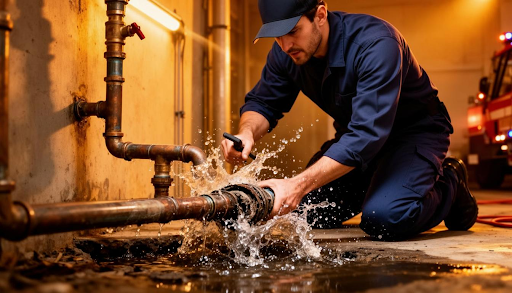
When a pipe has burst or water is escaping uncontrollably, a Notdienst für Wasserrohrbruch can help stop the water supply, locate the damaged section, and arrange the necessary repair.
Quick professional intervention is particularly important when water is spreading into neighbouring rooms, apartments, or electrical areas.
How Professional Water Damage Assistance Works
A structured response helps prevent unnecessary work and makes the repair process easier to understand.
Step 1: Initial Assessment
The technician first asks where the water is appearing, how quickly the affected area is growing, and whether the main water supply has been closed.
This information helps determine the urgency of the situation and what equipment may be needed.
Step 2: Identify the Source
The next step is to establish where the water is coming from. Depending on the situation, the technician may inspect visible pipework, connections, appliances, drains, or concealed areas.
It is important to distinguish between a leaking supply pipe and a drainage problem because the repair methods are different.
Step 3: Stop the Water and Repair the Fault
Once the source has been identified, the affected connection or pipe section can be isolated. A damaged hose, loose fitting, or broken pipe may then be repaired or replaced.
The objective is to eliminate the cause rather than simply cover the wet area.
Step 4: Record the Damage
Photographs and an itemised invoice provide useful documentation for homeowners, landlords, and insurance companies.
The extent of moisture may also need to be assessed after the plumbing repair, particularly when water has entered insulation or flooring structures.
Understanding Wasserschaden Soforthilfe
Not every water damage incident requires the same response. A small leak beneath a sink may be manageable after closing a local valve, while a burst pipe inside a wall may require immediate professional attention.
Professional Wasserschaden Soforthilfe is especially relevant when the source is unclear, water continues entering the property, or damage is spreading beyond the original area.
The service should address several important tasks: identifying the source, stopping the water supply, repairing the leaking connection or pipe, and documenting the affected areas.
According to the referenced service page, water damage assistance starts at €149, while travel and diagnosis are listed together at €29. The final repair price depends on the complexity and accessibility of the damaged area. A fixed price is provided before the repair work begins.
These starting prices should not be confused with the complete cost of restoring a property. Extensive drying, replacing flooring, repainting, or repairing structural materials may involve additional services.
Does Every Water Damage Incident Require Professional Drying?
No. The need for technical drying depends on how much water entered the building and which materials became wet.
A small amount of water on a washable tiled surface may be removed through ordinary cleaning and ventilation once the leak has been repaired.
However, water that enters insulation, wooden structures, carpets, or floor screed can remain trapped long after the visible surface appears dry. This hidden moisture may lead to unpleasant odours, material deterioration, and mould growth.
A moisture assessment can help determine whether additional drying equipment is necessary. Depending on the affected materials and the amount of water, the drying process may take several days or longer.
It is important to repair the source first. Drying a room while water continues escaping from a damaged pipe will not solve the underlying problem.
Who Should Be Contacted After Discovering Water Damage?
The responsible parties depend on the property and the location of the leak.
Homeowners should notify their building insurance provider as soon as possible and follow the insurer’s instructions. Damage to furniture and personal belongings may fall under household contents insurance, depending on the policy.
Tenants should inform their landlord or property management company promptly. If water appears to be coming from an apartment above, the neighbour and building management should also be contacted.
When the leak originates in a public supply line before the property’s water meter, the local water utility may be responsible. Problems within the home’s internal plumbing system generally require a plumbing professional.
Prevention Can Reduce Future Water Damage
Regular checks can help identify problems before they become emergencies.
Inspect washing machine and dishwasher hoses for cracks, bulges, or signs of ageing. Look beneath sinks and around water heaters for moisture or corrosion. Pay attention to dripping connections and unexplained changes in water pressure.
During colder months, protect exposed pipes in unheated areas against freezing. It is also helpful to know where the main water shut-off valve is located so it can be closed quickly when needed.
Finally, do not ignore small damp patches or unusual water consumption. Early investigation is usually easier than dealing with extensive damage after a concealed leak has continued for weeks.
Conclusion
Water damage requires a quick but careful response. Stopping the water supply, avoiding electrical hazards, protecting belongings, and documenting the affected areas are important first steps.
Professional assistance becomes particularly valuable when the source is hidden, water continues spreading, or a damaged pipe needs immediate repair. Identifying and correcting the actual cause is essential before restoration and drying work can begin.
Acting during the first hour can help limit the damage, reduce unnecessary disruption, and make the recovery process more manageable.