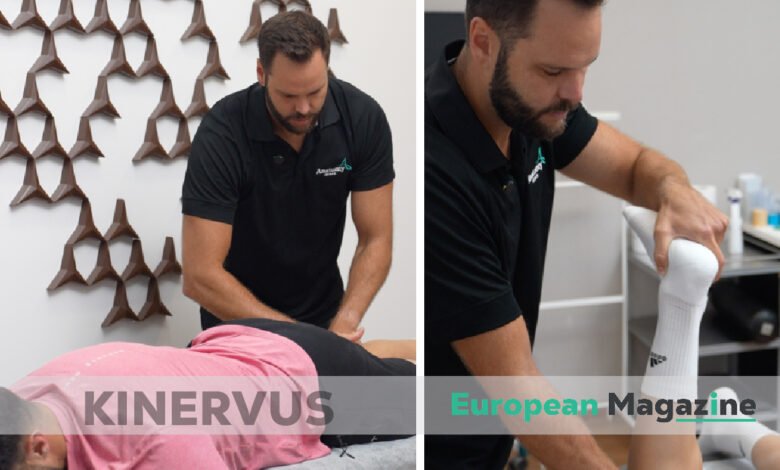
Introduction to Kinervus
Kinervus is a modern concept and physiotherapy approach focused on improving human movement through a deeper understanding of the nervous system. In today’s healthcare environment, rehabilitation is no longer limited to simple muscle strengthening. Instead, it emphasizes how the brain, nerves, and muscles work together to produce coordinated movement. Kinervus reflects this integrated perspective by combining physiotherapy, neurological rehabilitation, and personalized treatment strategies.
The concept of Kinervus is closely connected to movement science and neurology. Every action a person performs—walking, lifting objects, maintaining balance, or even maintaining posture—depends on signals traveling through the nervous system. When injuries, neurological conditions, or developmental challenges interfere with this process, rehabilitation becomes essential. Kinervus focuses on restoring that connection between nerve signals and physical movement.
Another reason Kinervus is gaining recognition is its patient-centered approach. Instead of using generic therapy routines, Kinervus promotes individualized rehabilitation programs tailored to each patient’s condition, goals, and lifestyle. This approach allows therapists to address the root causes of movement problems rather than only treating visible symptoms.
In this article, we will explore what Kinervus means, its scientific foundation, the therapies it involves, and how it supports recovery and long-term physical well-being. By understanding Kinervus, readers can gain valuable insight into the evolving world of physiotherapy and rehabilitation.
What Is Kinervus?
Kinervus is a physiotherapy and rehabilitation practice that focuses on neurological, pediatric, and musculoskeletal therapy using personalized treatment plans and modern physiotherapy techniques. It emphasizes restoring movement by improving the connection between the nervous system and the body’s muscles and joints.
Unlike traditional rehabilitation clinics that often follow standardized therapy routines, Kinervus focuses on personalized care. Each patient undergoes a detailed assessment to understand their physical limitations, neurological condition, lifestyle factors, and rehabilitation goals. Based on this evaluation, therapists create tailored therapy programs designed to restore functional movement, reduce pain, and improve independence. By integrating modern physiotherapy methods with a deeper understanding of the nervous system, Kinervus offers a more comprehensive and patient-focused rehabilitation experience.
The Meaning and Origin of the Name Kinervus
The name Kinervus reflects the scientific principles behind modern rehabilitation. It appears to combine two important concepts from movement science and neurology.
The first part of the word, “kine,” relates to movement or kinesiology. Kinesiology is the scientific study of human motion and how muscles, joints, and bones work together to produce movement. It is a core discipline within physiotherapy and sports medicine.
The second part, “nervus,” comes from Latin and refers to nerves or the nervous system. The nervous system is responsible for sending signals between the brain and the body, controlling everything from voluntary movements to reflex actions.
When combined, Kinervus symbolizes the connection between movement and neural control. This concept is central to modern rehabilitation science. Many injuries or conditions do not simply affect muscles; they also disrupt communication between the brain and the body. By focusing on this connection, Kinervus reflects a holistic approach to restoring physical function.
The name therefore, represents a powerful idea: movement is not just mechanical. It is controlled and refined by the nervous system. Understanding this relationship allows physiotherapists to develop more effective rehabilitation strategies that address both physical and neurological aspects of recovery.
The Philosophy Behind Kinervus Rehabilitation
The philosophy guiding Kinervus rehabilitation centers around patient-centered care and functional recovery. Rather than focusing only on symptoms such as pain or stiffness, this approach aims to restore meaningful movement and independence.
A key principle is individualized treatment. Every patient has unique needs depending on their condition, age, activity level, and personal goals. Kinervus therapy programs are designed after a detailed assessment to ensure that treatment addresses the underlying causes of movement problems.
Another important element is functional improvement. Instead of simply strengthening isolated muscles, therapy focuses on helping patients perform real-life movements more effectively. This includes activities such as walking, reaching, balancing, and performing everyday tasks.
Evidence-based physiotherapy also plays a central role in Kinervus rehabilitation. Therapists rely on modern research, clinical expertise, and proven therapeutic techniques to guide treatment decisions. This ensures that patients receive effective and scientifically supported care.
Collaboration between therapist and patient is another defining aspect. Patients are encouraged to actively participate in their rehabilitation journey. By setting goals together and tracking progress, both therapist and patient work as partners in achieving long-term recovery.
This philosophy makes Kinervus more effective than generic rehabilitation programs because it focuses on restoring real-world function and empowering patients to regain control over their physical health.
Neurological Rehabilitation at Kinervus
Neurological rehabilitation is one of the most important areas within the Kinervus approach. The Neurological conditions often affect how the brain communicates with muscles, leading to problems with movement, balance, and coordination.
Patients recovering from stroke, for example, may experience weakness or difficulty controlling one side of the body. Rehabilitation focuses on retraining movement patterns and encouraging the brain to form new neural pathways.
Individuals living with Parkinson’s disease often struggle with stiffness, slow movements, and balance difficulties. Specialized physiotherapy can help improve mobility, posture, and overall movement efficiency.
Patients with multiple sclerosis may experience fatigue, muscle weakness, and coordination problems. Targeted therapy can improve stability and maintain functional independence.
Rehabilitation is also crucial for individuals recovering from spinal cord injuries or traumatic brain injuries. These conditions can disrupt communication between the brain and muscles, requiring structured exercises to restore movement control.
A key concept behind neurological rehabilitation is neuroplasticity. This refers to the brain’s ability to adapt and reorganize itself by forming new neural connections. Through repeated practice and targeted exercises, the brain can learn new ways to control movement.
Kinervus rehabilitation uses this principle to help patients gradually regain balance, coordination, motor control, and independence in their daily lives.
Pediatric Physiotherapy and Child Development Support
Children with movement or developmental challenges require specialized physiotherapy that considers their physical, emotional, and cognitive development. Kinervus-based pediatric therapy focuses on supporting children in achieving healthy movement patterns and motor skills.
Some children experience motor development delays, meaning they reach physical milestones such as crawling, standing, or walking later than expected. Physiotherapy helps strengthen muscles and improve coordination so children can develop these skills.
Postural problems are another common concern. Poor posture can affect balance, mobility, and long-term musculoskeletal health. Therapy sessions help children learn proper body alignment and movement habits.
Some children also experience coordination difficulties, making tasks such as running, jumping, or catching objects challenging. Targeted exercises help improve motor control and confidence.
Early intervention is extremely important. When therapy begins at an early stage, children have a greater opportunity to develop proper movement patterns and prevent future complications.
To keep young patients engaged, therapy sessions are designed to be play-based and interactive. Games, creative activities, and movement challenges make therapy enjoyable while still achieving important therapeutic goals.
Musculoskeletal Rehabilitation and Injury Recovery
Musculoskeletal rehabilitation focuses on conditions affecting muscles, joints, ligaments, and bones. Many individuals experience injuries or chronic pain that limit movement and reduce the quality of life.
Back pain is one of the most common reasons people seek physiotherapy. Poor posture, muscle imbalances, or injuries can cause persistent discomfort. Targeted therapy helps strengthen supportive muscles and improve spinal alignment.
Joint injuries involving the knees, shoulders, or ankles may occur during sports, work activities, or daily movements. Rehabilitation exercises restore stability and flexibility while reducing the risk of reinjury.
Patients recovering from surgery also benefit greatly from physiotherapy. Post-surgical rehabilitation helps restore mobility and rebuild strength gradually and safely.
Athletes often rely on sports rehabilitation to recover from injuries and improve performance. Therapy programs focus on strengthening muscles, improving movement mechanics, and preventing future injuries.
For individuals with chronic musculoskeletal pain, physiotherapy can provide long-term relief by correcting movement patterns and strengthening supportive structures.
Through guided exercises and therapeutic techniques, Kinervus rehabilitation helps restore mobility, flexibility, strength, and proper posture.
Manual Therapy and Lymphatic Drainage Treatments
Manual therapy is an important part of many physiotherapy programs. It involves hands-on techniques used by therapists to reduce pain, improve joint mobility, and promote tissue healing.
Joint mobilization techniques help restore movement in stiff or restricted joints. By gently guiding joints through controlled motions, therapists can improve flexibility and reduce discomfort.
Soft tissue therapy focuses on muscles and connective tissues. Techniques such as massage and stretching help release tension, improve circulation, and support healing.
Another valuable treatment is manual lymphatic drainage. This technique stimulates the lymphatic system, which plays an important role in removing waste fluids from the body.
Manual lymphatic drainage is especially helpful for patients experiencing swelling after surgery or those with conditions affecting lymph circulation. Gentle, rhythmic movements encourage fluid movement and reduce swelling.
These therapies improve circulation, decrease inflammation, and accelerate the body’s natural healing processes, contributing to faster and more comfortable recovery.
The Importance of Personalized Treatment Plans
One of the defining principles of Kinervus rehabilitation is personalization. No two patients experience the same condition in exactly the same way, which means therapy must be tailored to each individual.
The process begins with a detailed assessment. Therapists evaluate movement patterns, muscle strength, balance, posture, and neurological function. They also consider the patient’s lifestyle, goals, and daily challenges.
Based on this information, a customized treatment plan is developed. As therapy progresses, therapists continuously monitor improvements and adjust exercises to match the patient’s evolving needs.
This adaptive approach ensures that rehabilitation remains effective at every stage of recovery. Patients receive the right level of challenge and support as they regain strength and mobility.
Personalized therapy improves long-term outcomes because it addresses the root causes of movement problems rather than applying generic treatment routines.
How Kinervus Improves Quality of Life
Rehabilitation is not only about physical recovery. It also plays an important role in improving overall quality of life.
Patients who regain mobility often experience greater independence in daily activities such as walking, dressing, and household tasks. This independence can significantly improve emotional well-being.
Improved balance and coordination also reduce the risk of falls and injuries, especially for older adults.
Rehabilitation can restore confidence for individuals who previously felt limited by their condition. For example, a stroke patient may gradually regain the ability to walk independently, while an athlete may safely return to sports after injury.
By improving physical function and emotional confidence, Kinervus rehabilitation supports a more active and fulfilling lifestyle.
Why Kinervus Is Gaining Attention Online
Interest in Kinervus has been growing as more people search for specialized rehabilitation services. Modern healthcare increasingly recognizes the importance of personalized physiotherapy and neurological rehabilitation.
Patients today are more informed about treatment options and often seek clinics that offer advanced therapy techniques. Kinervus represents a modern approach that aligns with these expectations.
The growing focus on neurological recovery, movement science, and personalized healthcare has also contributed to increased online searches for rehabilitation concepts like Kinervus.
This growing attention reflects a broader shift toward patient-centered healthcare and evidence-based physiotherapy practices.
Who Can Benefit from Kinervus Rehabilitation?
Many individuals can benefit from Kinervus-based physiotherapy.
Patients with neurological conditions such as stroke, Parkinson’s disease, or multiple sclerosis often require specialized rehabilitation to regain movement and independence.
Individuals recovering from injuries or surgeries benefit from structured therapy programs that restore strength and mobility.
Athletes frequently use physiotherapy to recover from sports injuries and improve performance.
Children with developmental challenges benefit from pediatric therapy designed to improve coordination and motor skills.
Older adults with mobility difficulties can also improve balance and reduce fall risk through physiotherapy.
Professional rehabilitation ensures that each patient receives safe, structured care tailored to their condition.
The Future of Rehabilitation and the Role of Kinervus
Rehabilitation science continues to evolve as technology and neuroscience advance. Modern physiotherapy increasingly uses digital tools and movement tracking systems to analyze patient progress.
Emerging technologies such as motion sensors and wearable devices allow therapists to monitor movement patterns more accurately. Artificial intelligence may also assist in designing personalized rehabilitation programs.
Neuroscience research continues to improve understanding of how the brain controls movement and how neural pathways can adapt after injury.
Kinervus represents a forward-thinking approach that aligns with these developments. By combining traditional physiotherapy with modern research and technology, it reflects the future direction of rehabilitation.
Key Benefits of Choosing Kinervus
Kinervus rehabilitation offers several important advantages. Personalized therapy ensures that treatment plans address each patient’s unique condition and goals. Neurological expertise allows therapists to treat complex conditions affecting movement and coordination. Modern physiotherapy techniques provide effective and scientifically supported treatment options.
Patients also benefit from a supportive therapeutic environment where therapists encourage active participation in recovery. The focus on long-term functional improvement helps patients regain independence and maintain healthy movement patterns for years to come.
Conclusion
Kinervus represents a modern and comprehensive approach to physiotherapy and rehabilitation. By focusing on the connection between the nervous system and physical movement, it reflects a deeper understanding of how the human body functions and recovers after injury or illness.
Unlike traditional rehabilitation programs that rely on standardized treatment methods, Kinervus emphasizes personalized care tailored to each patient’s needs. This individualized approach allows therapists to address both the physical and neurological aspects of recovery, helping patients regain mobility, balance, and independence.
Through specialized therapies for neurological conditions, pediatric development, musculoskeletal injuries, and post-surgical recovery, Kinervus supports patients at many stages of life. Its emphasis on evidence-based physiotherapy, collaboration between therapist and patient, and long-term functional improvement makes it an effective model for modern rehabilitation.
As healthcare continues to evolve and new technologies enhance our understanding of movement and neural control, approaches like Kinervus will become increasingly important. By combining scientific knowledge with compassionate patient care, Kinervus represents the future of rehabilitation—one focused on restoring movement, improving quality of life, and empowering individuals to live healthier and more independent lives.
Frequently Asked Questions (FAQs)
1. What is Kinervus?
Kinervus is a physiotherapy and rehabilitation practice that focuses on improving movement and physical function through personalized therapy. It combines neurological, pediatric, and musculoskeletal rehabilitation techniques to help patients recover from injuries, neurological conditions, or mobility challenges.
2. What treatments does Kinervus provide?
Kinervus offers several types of physiotherapy treatments, including neurological rehabilitation, pediatric physiotherapy, musculoskeletal therapy, manual therapy, and lymphatic drainage. These treatments are designed to improve mobility, reduce pain, and help patients regain independence in daily life.
3. Who should consider Kinervus rehabilitation?
Kinervus rehabilitation is suitable for people recovering from neurological conditions, injuries, surgeries, or chronic pain. It can also benefit children with developmental movement difficulties, athletes recovering from sports injuries, and older adults who want to improve balance and mobility.
4. How does Kinervus help improve movement and recovery?
Kinervus focuses on the connection between the nervous system and physical movement. Through targeted exercises and therapy techniques, it helps the brain and muscles work together more effectively. This improves balance, coordination, strength, and overall physical function.
5. Why is personalized physiotherapy important at Kinervus?
Personalized physiotherapy is important because every patient’s condition and recovery goals are different. Kinervus therapists create individual treatment plans based on detailed assessments. This approach helps patients recover faster and achieve better long-term results.
Read More:
Ksözcü Meaning Explained: Powerful Truth About the Word Ksözcü