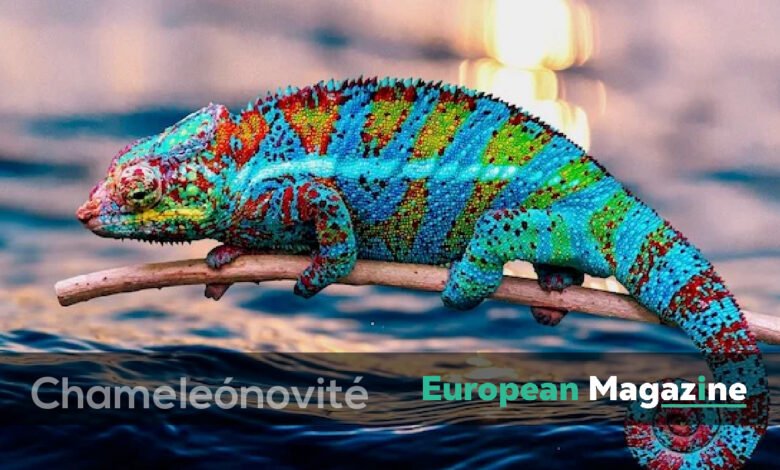
What Is Chameleónovité?
Chameleónovité is the scientific family name for chameleons, reptiles belonging to the family Chamaeleonidae. This group includes more than 200 species of lizards known for their ability to change skin color, their independently moving turret-shaped eyes, and their long, sticky tongues used to catch prey. Most Chameleónovité species live in Africa and Madagascar, although some also occur in parts of Asia and southern Europe. These reptiles are famous for their remarkable adaptations to tree-dwelling life.
Introduction
Chameleónovité, commonly known as chameleons, are among the most unusual reptiles on Earth. Their strange body features, color-changing skin, and slow, careful movements have fascinated scientists and nature lovers for centuries. Unlike many reptiles, chameleons communicate using color signals, body posture, and subtle movements. This ability allows them to express aggression, attract mates, and even show stress or excitement.
One of the most remarkable characteristics of Chameleónovité is their unique visual system. Their eyes can move independently, allowing them to watch two different directions at the same time. When hunting, both eyes focus on the same target, helping the chameleon judge distance accurately before launching its lightning-fast tongue. This hunting strategy makes them extremely effective insect predators.
Beyond their unusual appearance, chameleons also play an important role in ecosystems. By feeding on insects, they help control pest populations and maintain balance in forest and shrubland habitats. Their evolutionary adaptations—such as specialized climbing feet and color-changing skin—demonstrate how species can evolve to survive in specific environments.
Today, interest in Chameleónovité continues to grow. Scientists study them to understand evolution, communication, and biomimetic technology, while many people search online to learn more about their fascinating abilities. This article explores the biology, behavior, habitat, and conservation of these remarkable reptiles.
Scientific Classification of Chameleónovité
Chameleónovité belong to a specific group within the reptile world. Their scientific classification helps researchers understand how they are related to other animals.
Family: Chamaeleonidae
Order: Squamata
Class: Reptilia
The order Squamata includes all lizards and snakes. Within this group, chameleons form a very specialized family. They share some traits with other lizards, such as scaly skin and egg-laying reproduction, but their physical adaptations make them unique.
Scientists believe that chameleons evolved millions of years ago in the Old World, particularly in Africa. Over time, populations became separated by geographic barriers such as oceans, mountains, and forests. This isolation allowed species to evolve differently in separate locations. Madagascar, which has been isolated for millions of years, became a major center for chameleon evolution.
Because of this geographic isolation, scientists have identified over 200 different chameleon species. Some species are very small and live in dense forest vegetation, while others are larger and adapt to dry environments. Researchers continue discovering new species as they explore remote habitats.
Global Distribution of Chameleónovité
Chameleónovité are mainly found in the Old World, meaning regions such as Africa, Madagascar, the Middle East, and parts of Asia and Europe. Their distribution is strongly influenced by climate and habitat conditions.
Africa contains the largest number of chameleon species. Many live in tropical forests, savannas, and shrublands across the continent. East Africa and central Africa are especially rich in species diversity.
Madagascar, however, is considered the global center of chameleon biodiversity. This island hosts nearly half of all known chameleon species. Because Madagascar separated from other landmasses millions of years ago, its wildlife evolved independently. This isolation allowed chameleons to diversify into many unique forms.
Chameleons also live in parts of the Middle East, including Yemen and Saudi Arabia. In southern Europe, the Iberian chameleon can be found in regions of Spain and Portugal. Some species also live in parts of South Asia, particularly in India and Sri Lanka.
Climate plays a major role in where chameleons live. Most species prefer warm environments with moderate humidity. Some species thrive in dense rainforests, while others adapt to dry desert shrubs. Their ability to survive in different habitats shows their evolutionary flexibility.
Physical Characteristics That Make Chameleónovité Unique
Chameleons possess several extraordinary physical features that distinguish them from other reptiles.
Color-Changing Skin
One of the most famous traits of Chameleónovité is their ability to change skin color. This process involves specialized skin cells called chromatophores, which contain pigments such as yellow, red, and dark melanin. Beneath these cells are iridophores, which contain tiny crystals made of guanine.
These crystals reflect light in different ways depending on their spacing. When the crystals move closer or farther apart, they change how light reflects off the skin. This creates different colors such as green, blue, yellow, and red. This combination of pigment and structural reflection allows chameleons to produce complex color patterns.
Turret Eyes and 360-Degree Vision
Chameleon eyes are very different from those of most animals. Each eye sits in a cone-shaped structure that can rotate almost independently. This gives chameleons nearly 360-degree vision, allowing them to watch for predators while searching for prey.
When they detect food, both eyes focus on the same target. This helps the chameleon measure distance accurately before striking with its tongue.
The Incredible Tongue Mechanism
Chameleons are famous for their long, fast tongues. The tongue can extend to twice the length of the chameleon’s body. Muscles inside the tongue create a powerful projection system that launches the tongue toward prey.
The tip of the tongue contains sticky mucus that helps capture insects instantly. The entire strike happens in a fraction of a second, making it one of the fastest feeding mechanisms among reptiles.
Specialized Feet and Prehensile Tail
Chameleons are mostly tree-dwelling animals. Their feet are specially designed for climbing. Each foot has two groups of fused toes that form a strong gripping structure called zygodactyl feet. This design allows them to hold tightly onto branches.
Their tail is also prehensile, meaning it can curl around branches for balance and support. This helps them move safely through trees and shrubs.
The Science Behind Chameleon Color Change
Color change in chameleons is a complex biological process involving several layers of skin cells. The outer layer contains chromatophores, which hold pigments. Below them are iridophores, which reflect light using microscopic crystal structures. Deeper layers contain melanophores, which produce dark pigments.
When a chameleon experiences changes in mood, temperature, or social interaction, signals from the nervous system cause these cells to expand or contract. At the same time, the spacing between nanocrystals in the iridophore layer changes. This alters the wavelengths of light reflected by the skin.
As a result, the chameleon’s skin color shifts. This process is not simply pigment movement but also involves structural color, where light reflection plays a major role.
Modern scientific research has revealed that the nanocrystal layer acts like a natural photonic structure. By adjusting the crystal spacing, chameleons can change colors very quickly.
Why Chameleons Change Color
Many people believe chameleons change color only for camouflage, but the reality is more complex.
Communication
Chameleons use color to communicate with each other. Males display bright colors when competing with rivals or attracting females. Dominant individuals often show more vibrant patterns.
Thermoregulation
Color change also helps regulate body temperature. Dark colors absorb more sunlight, helping the chameleon warm up. Lighter colors reflect sunlight and help the animal stay cool.
Mood and Health Signals
Chameleon colors can reflect mood and health. Stress, fear, illness, or excitement can trigger changes in color patterns.
Camouflage
Although not the main reason, camouflage does help chameleons blend with leaves, branches, and surroundings. This helps them avoid predators and approach prey more easily.
Chameleon Behavior and Lifestyle
Chameleons are generally solitary animals. They prefer living alone and may become aggressive when another chameleon enters their territory. Males especially defend their space using color displays and body posture.
Their movements are slow and deliberate. Instead of moving quickly, they sway slightly as they walk along branches. This movement mimics the motion of leaves in the wind and helps them avoid detection by predators.
Chameleons rely heavily on visual communication. They use body posture, color patterns, and movement to express their intentions. This complex communication system allows them to interact without constant physical conflict.
Common predators of chameleons include birds, snakes, and larger reptiles.
Hunting Strategy of Chameleónovité
Chameleons are sit-and-wait predators. Instead of chasing prey, they remain still and watch their surroundings carefully.
Using their independently moving eyes, they scan for insects such as flies, grasshoppers, and crickets. Once prey is detected, both eyes focus on the target to measure distance accurately.
The chameleon then launches its tongue rapidly toward the prey. The sticky tongue tip captures the insect and retracts quickly back into the mouth.
This hunting strategy allows chameleons to conserve energy while capturing food effectively.
Reproduction and Life Cycle of Chameleons
Chameleons reproduce through sexual reproduction. Males often display bright colors to attract females. During courtship, males may also perform body movements and color displays to demonstrate strength.
After mating, females lay eggs in soil or sand. Depending on the species, a clutch may contain 10 to 50 eggs. The eggs remain buried for several weeks or months until they hatch.
Young chameleons are fully independent at birth. They must find food and avoid predators without parental care. Many hatchlings face survival challenges due to predators and environmental conditions.
The Role of Chameleons in Ecosystems
Chameleons play an important ecological role as insect predators. By feeding on insects, they help control populations that could otherwise damage plants or crops.
They are also part of the food chain. Birds, snakes, and other predators rely on chameleons as a food source.
This balance helps maintain healthy ecosystems. If chameleon populations decline, insect populations could increase, affecting plant life and ecological stability.
Threats Facing Chameleónovité Today
Many chameleon species face serious threats.
Habitat Destruction
Deforestation and agricultural expansion reduce forest habitats where chameleons live.
Climate Change
Changes in temperature and rainfall can make habitats unsuitable for certain species.
Illegal Wildlife Trade
Some chameleons are captured for the exotic pet trade, which can harm wild populations.
Madagascar species are especially vulnerable because many live only in small geographic areas.
Conservation Efforts to Protect Chameleons
Conservation groups are working to protect chameleons through habitat preservation and wildlife protection laws. Protected forests help safeguard important ecosystems where chameleons live.
Scientists also conduct research to understand species distribution and population trends. Captive breeding programs reduce pressure on wild populations by providing ethically sourced animals for the pet trade.
Education and public awareness are also important for encouraging responsible behavior toward wildlife.
Chameleons as Exotic Pets – What Owners Should Know
Chameleons can be fascinating pets, but they require specialized care. Their enclosures must maintain proper temperature, humidity, and lighting conditions.
UVB lighting is essential for calcium metabolism and bone health. Chameleons also require a diet of live insects such as crickets and mealworms.
Because of their complex needs, chameleons are generally not recommended for beginners. Responsible pet ownership requires research and ethical sourcing of animals from captive breeders.
Interesting Facts About Chameleónovité
Chameleons have many surprising features that make them unique reptiles.
Some species are extremely small and can fit on a human finger. Others grow up to 60 centimeters in length. Their tongues can extend rapidly and capture prey in less than a second. Their eyes provide nearly complete panoramic vision, allowing them to monitor their environment effectively.
These fascinating characteristics make chameleons one of the most studied reptiles in the world.
Modern Science and Technology Inspired by Chameleons
Chameleons have inspired scientific research in several fields. Their color-changing skin has led to the development of adaptive materials that change color depending on environmental conditions.
Researchers study their skin structure to design camouflage technology and flexible electronic surfaces. Their biological mechanisms also inspire soft robotics and smart sensors that respond to environmental signals.
These innovations demonstrate how studying nature can lead to technological progress.
The Future of Chameleónovité Research
Scientists continue exploring chameleon biology and evolution. New species are still being discovered in remote forests, especially in Madagascar.
Genetic research helps scientists understand how chameleons evolved and adapted to different environments. Climate models also help researchers predict how climate change may affect their habitats.
Advances in conservation technology, such as satellite mapping and ecological monitoring, are helping scientists protect vulnerable species.
Conclusion
Chameleónovité represent one of the most fascinating examples of adaptation in the reptile world. Their ability to change color, their independently moving eyes, and their extraordinary hunting technique make them truly unique animals. These adaptations allow them to survive in diverse environments ranging from tropical forests to dry shrublands.
Beyond their unusual appearance, chameleons play an important role in ecosystems by controlling insect populations and contributing to ecological balance. Their presence also provides valuable opportunities for scientific research and technological inspiration.
However, many species now face threats from habitat destruction, climate change, and illegal wildlife trade. Protecting their habitats and promoting responsible conservation efforts are essential for ensuring their survival.
By understanding and protecting chameleons, we not only preserve a remarkable group of reptiles but also protect the fragile ecosystems they inhabit. Chameleons remind us that even the smallest creatures can reveal incredible insights about evolution, adaptation, and the natural world.
Frequently Asked Questions (FAQs)
1. What does Chameleónovité mean?
Chameleónovité is the scientific family name for chameleons. These reptiles belong to the family Chamaeleonidae, which includes more than 200 species of lizards known for their color-changing skin, long sticky tongues, and independently moving eyes. Most Chameleónovité species live in Africa and Madagascar, where they adapt to forests, trees, and warm climates.
2. Why do chameleons change color?
Chameleons change color mainly for communication, temperature control, and mood expression. Male chameleons may display bright colors to attract females or warn rivals. Darker colors help them absorb heat, while lighter colors help them stay cool. Color changes can also show stress, excitement, or aggression.
3. Where do Chameleónovité usually live?
Most Chameleónovité species live in Africa and Madagascar, which have the largest number of chameleon species in the world. Some species are also found in the Middle East, southern Europe, and parts of Asia. They usually live in warm environments such as forests, bushes, and trees.
4. How do chameleons catch their food?
Chameleons catch insects using their long, sticky tongue, which can extend up to twice the length of their body. When they see prey, their tongue shoots out very quickly and grabs the insect with a sticky tip. This fast strike allows them to catch flies, crickets, and other small animals.
5. Are chameleons good pets for beginners?
Chameleons are generally not recommended for beginners because they require special care. They need proper temperature, humidity, UVB lighting, and live insects for food. Their environment must be carefully controlled, so owners should learn about chameleon care before keeping one as a pet.
Read More:
Cyanová Explained: Powerful Meaning, Color Concept, and Modern Uses